
SDA Design Standard Review Update: What It Means for Participants, Providers & the Future of Accessible Living
SDA Design Standard Review Update
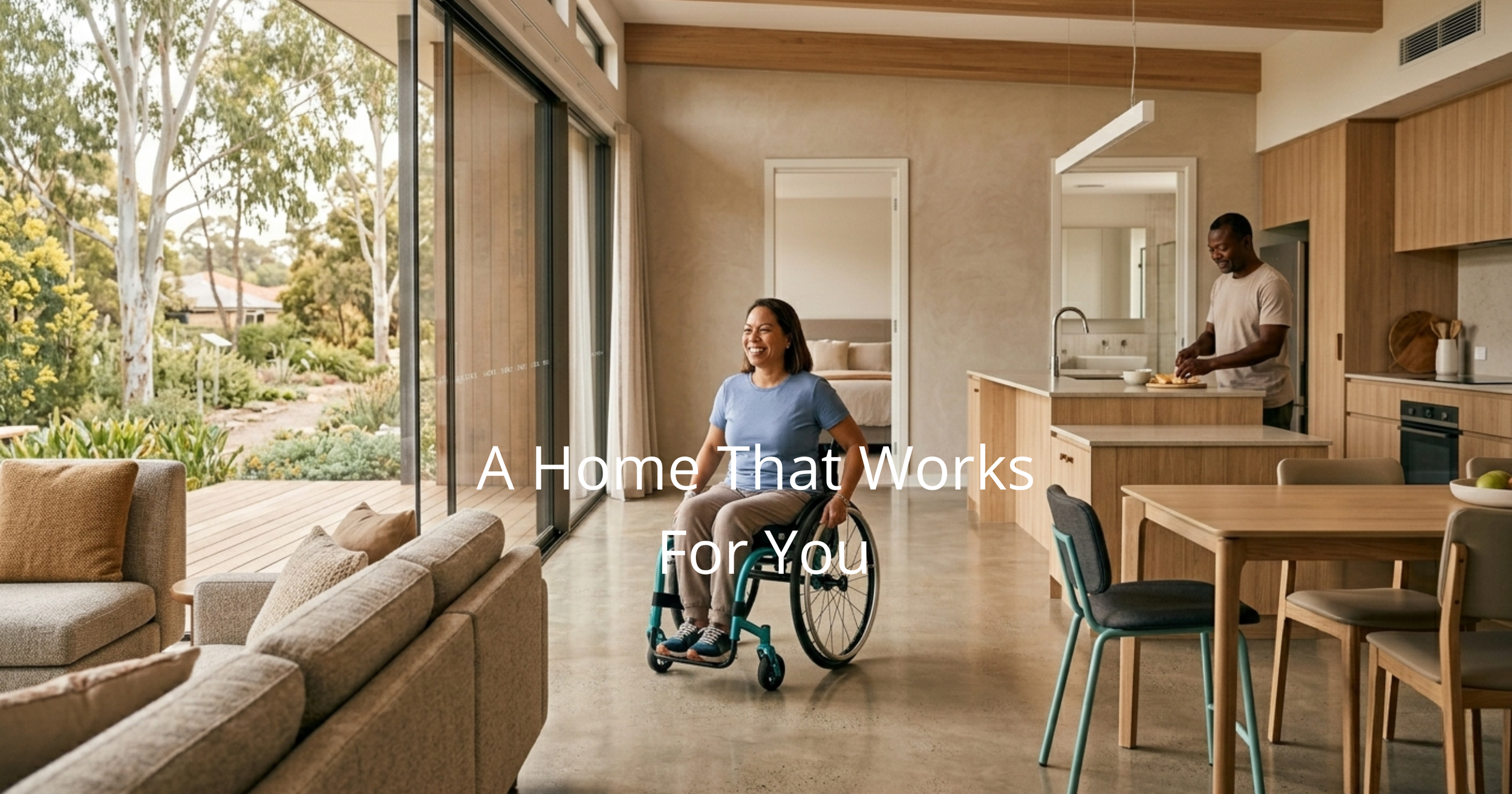
Designing homes is one thing. Designing lives of dignity, independence, and possibility — that’s something else entirely.
The National Disability Insurance Scheme (NDIS) continues to evolve, and one of the most important developments shaping the future of disability housing is the review of the Specialist Disability Accommodation (SDA) Design Standard.
With the National Disability Insurance Agency (NDIA) engaging KPMG Australia to conduct an independent review, this isn’t just policy refinement — it’s a sector-wide opportunity to reimagine what “home” truly means for people living with disability.
At Bridges Alliance, we see this as a pivotal moment — one that aligns deeply with our commitment to delivering NDIS-compliant, person-centred, future-focused living solutions.
Why the SDA Design Standard Matters
The SDA Design Standard sets the benchmark for how homes are built or modified for participants with extreme functional impairment or very high support needs.
But at its core, it’s not about compliance — it’s about:
Accessibility that empowers independence
Design that enhances safety without restricting freedom
Spaces that feel like home — not facilities
Because the right environment doesn’t just support daily living — it transforms it.
What the Review Tells Us
Following extensive consultation, the review gathered insights from more than 350 stakeholders — including participants, providers, families, and industry experts.
Key themes emerging from the consultation include:
1. Lived Experience Must Lead Design
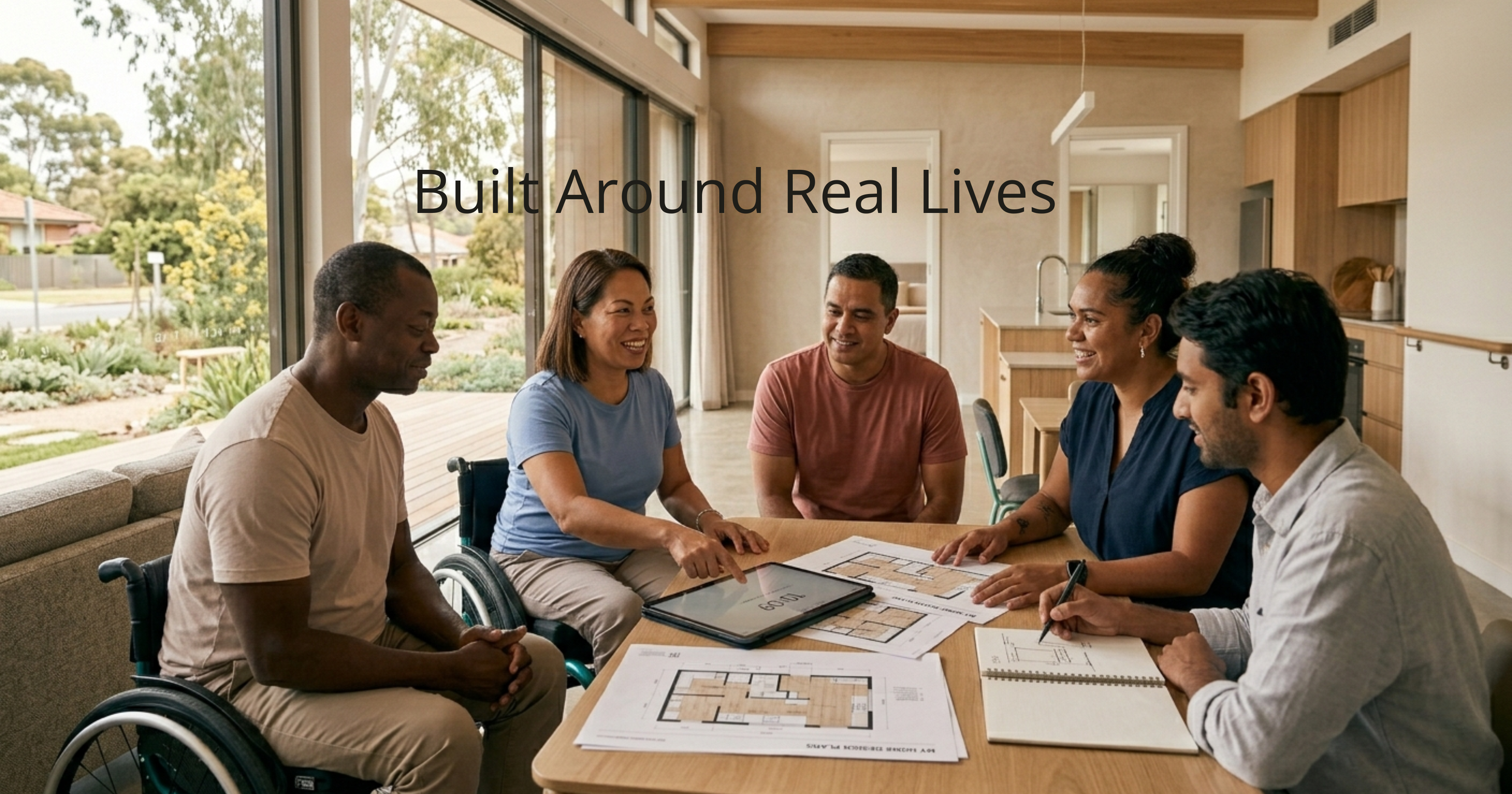
Participants want homes that reflect real-life needs, not assumptions. Flexibility, comfort, and personalisation matter more than rigid standards.
2. Functionality + Liveability
There’s a growing call to balance clinical functionality with warmth, aesthetics, and community integration.
3. Future-Proofing SDA
Design must evolve with changing needs — ensuring homes remain suitable over time, not just at the point of entry.
4. Consistency & Clarity
Providers and developers need clearer guidance to ensure SDA builds are consistent, compliant, and high quality across the board.
The Role of the Technical Working Group (TWG)
To guide the next edition of the SDA Design Standard, a Technical Working Group (TWG) has been established — bringing together expertise from:
Government
Allied health professionals
Housing and construction sectors
Disability advocates and industry leaders
This collaborative approach ensures the next version of the Standard is not only technically sound, but deeply grounded in real-world experience.
What This Means for Participants
This review signals something powerful:
👉 A shift towards greater choice, control, and personalisation
👉 Homes designed with people, not just compliance, in mind
👉 Stronger alignment between housing and quality of life outcomes
For participants, this means future SDA housing will better reflect how you want to live — not just what you need.
Built around real lives
Bridges Alliance: Leading with Purpose in SDA
At Bridges Alliance, we don’t wait for standards to change — we lead with them.
Our approach to SDA is built on:
NDIS compliance at every level
Collaboration with participants, families, and allied health professionals
A focus on liveability, not just functionality
Environments that foster independence, dignity, and connection
We understand that SDA is more than infrastructure — it’s the foundation for a better life.
Looking Ahead: The Future of SDA
As the next edition of the SDA Design Standard takes shape, one thing is clear:
The future of disability housing is human-centred, flexible, and empowering.
This review represents a collective step forward — one where the voices of participants are not just heard, but embedded into the very walls of the homes they live in.
Final Thought
Standards matter. Compliance matters.
But what matters most is how people feel in the spaces they call home.
At Bridges Alliance, we’re proud to be part of a sector that is evolving — listening, learning, and lifting the standard of what’s possible.
Because everyone deserves a home that doesn’t just support their needs…
but supports their life.
FAQ
What is the SDA Design Standard?
The SDA Design Standard sets the minimum design requirements for Specialist Disability Accommodation to ensure homes are accessible, safe, and suitable for people with disability.
Why is the SDA Design Standard being reviewed?
It is being reviewed to improve accessibility, incorporate stakeholder feedback, and ensure SDA housing reflects modern best practice in disability design.
Who is involved in the SDA review process?
The review is led by the NDIA with independent input from KPMG Australia and a Technical Working Group including industry, government, allied health, and disability experts.
How many stakeholders were consulted in the SDA review?
More than 350 stakeholders contributed feedback during the consultation phase.
What does the SDA review mean for participants?
It means future SDA housing may be more flexible, liveable, and better aligned with participant needs, choice, and independence.
How does Bridges Alliance support SDA participants?
Bridges Alliance provides NDIS-compliant SDA solutions focused on independence, dignity, accessibility, and person-centred housing outcomes.
