
Understanding NDIS Service Provider Billing Practices: Transparency, Compliance and Trust
Understanding NDIS service provider billing practices can help participants, families, Support Coordinators and Plan Managers make informed decisions about funding and supports. This guide explains invoicing, payment processes, compliance requirements and how transparent billing builds trust within the NDIS.

The NDIS isn't just cutting funding—it's cutting the pipeline.
The NDIS is changing again—and this time, it's not just about price limits. It's about the lifeblood of every provider: cash flow. In October 2025, price caps for art and music therapy dropped from $193.99 to $156.16 per hour, while payment processing timeframes extended to up to 10 business days for claims requiring verification. This dual pressure creates a compounding cash flow crisis that threatens provider solvency and participant care continuity. Here's what every provider, plan manager, and participant needs to understand about the operational reality behind the headline numbers.
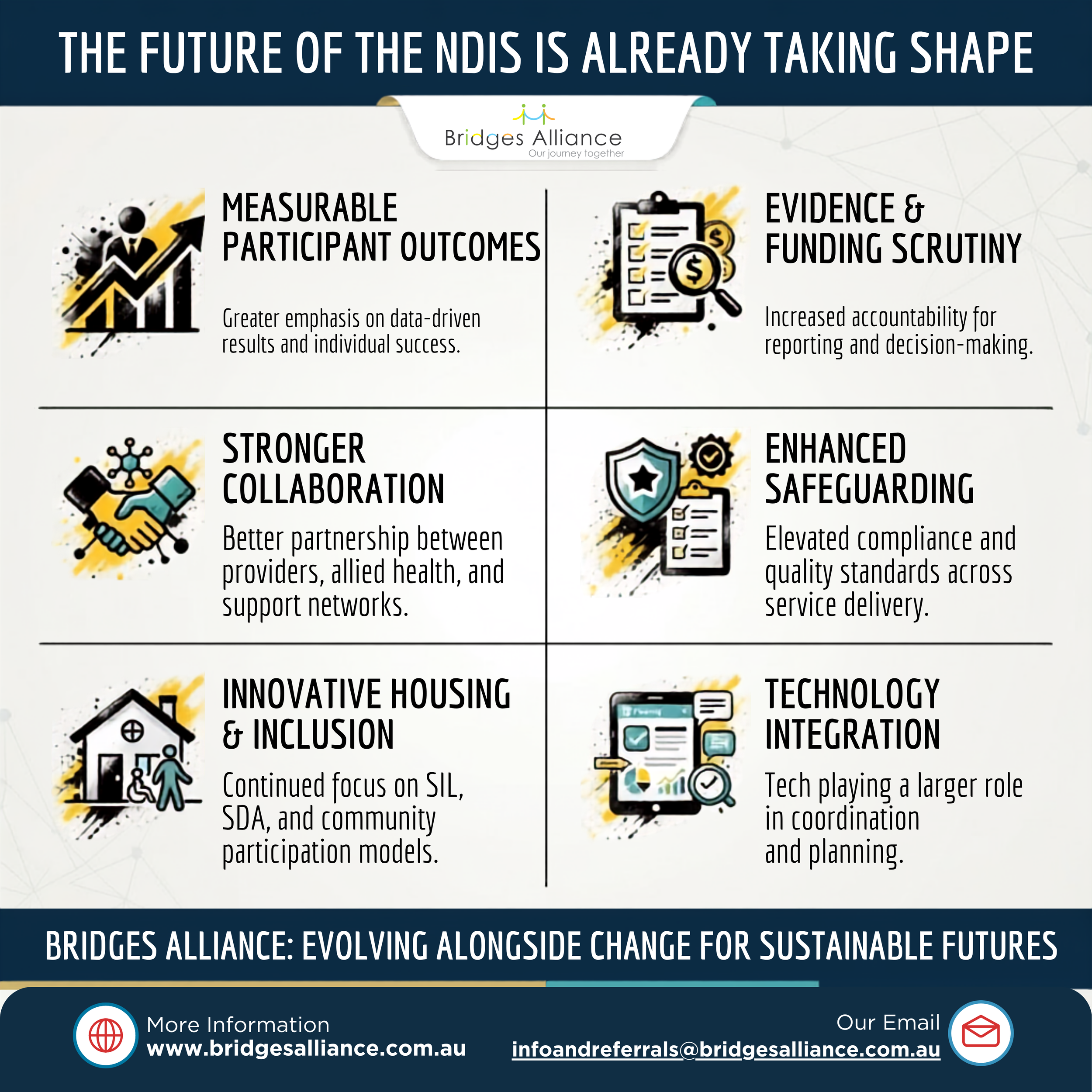
The Future of the NDIS Is Already Taking Shape
The NDIS sector is undergoing significant transformation. Explore the key trends influencing the future of disability support, including technology, compliance, participant outcomes and service innovation.
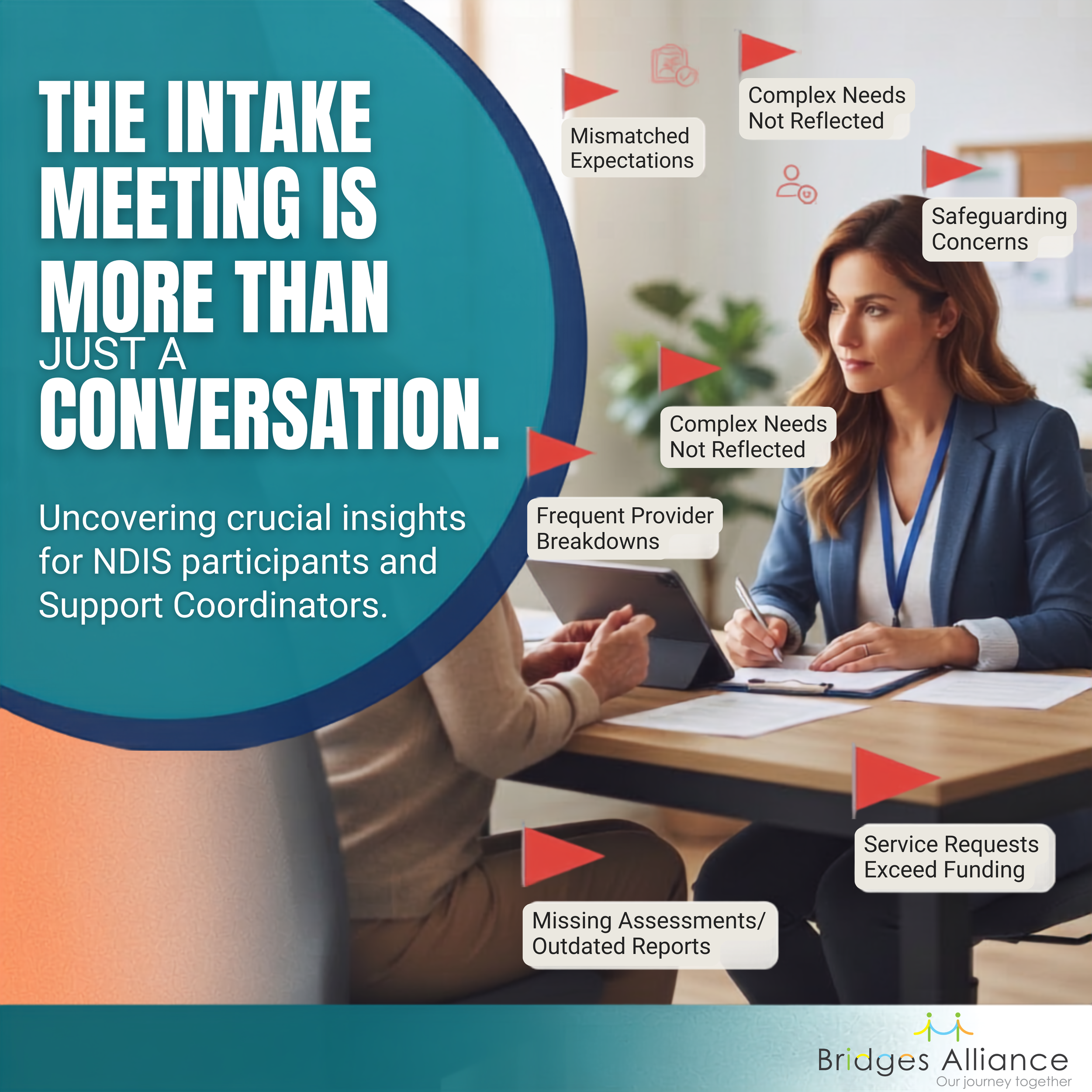
The Intake Meeting Is More Than Just a Conversation
The intake process is one of the most important stages in the NDIS journey. Learn how identifying red flags early can improve participant outcomes, reduce risk and create more sustainable support arrangements.
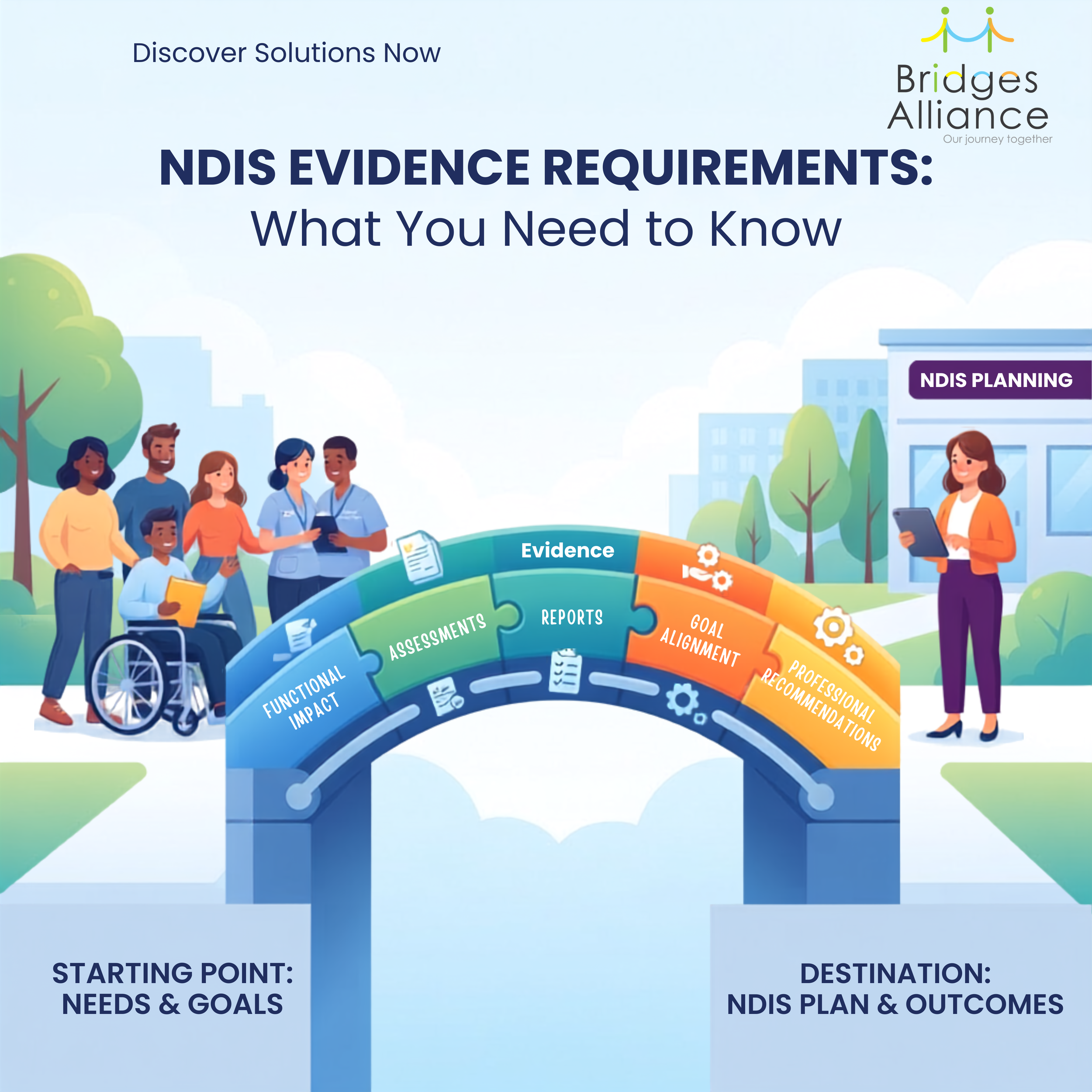
What Participants, Families & Providers Need to Know. Strong evidence can make a significant difference when navigating the NDIS.
Unsure what evidence you need for the NDIS? Learn how to effectively demonstrate the functional impact of your disability to secure the right supports and funding.
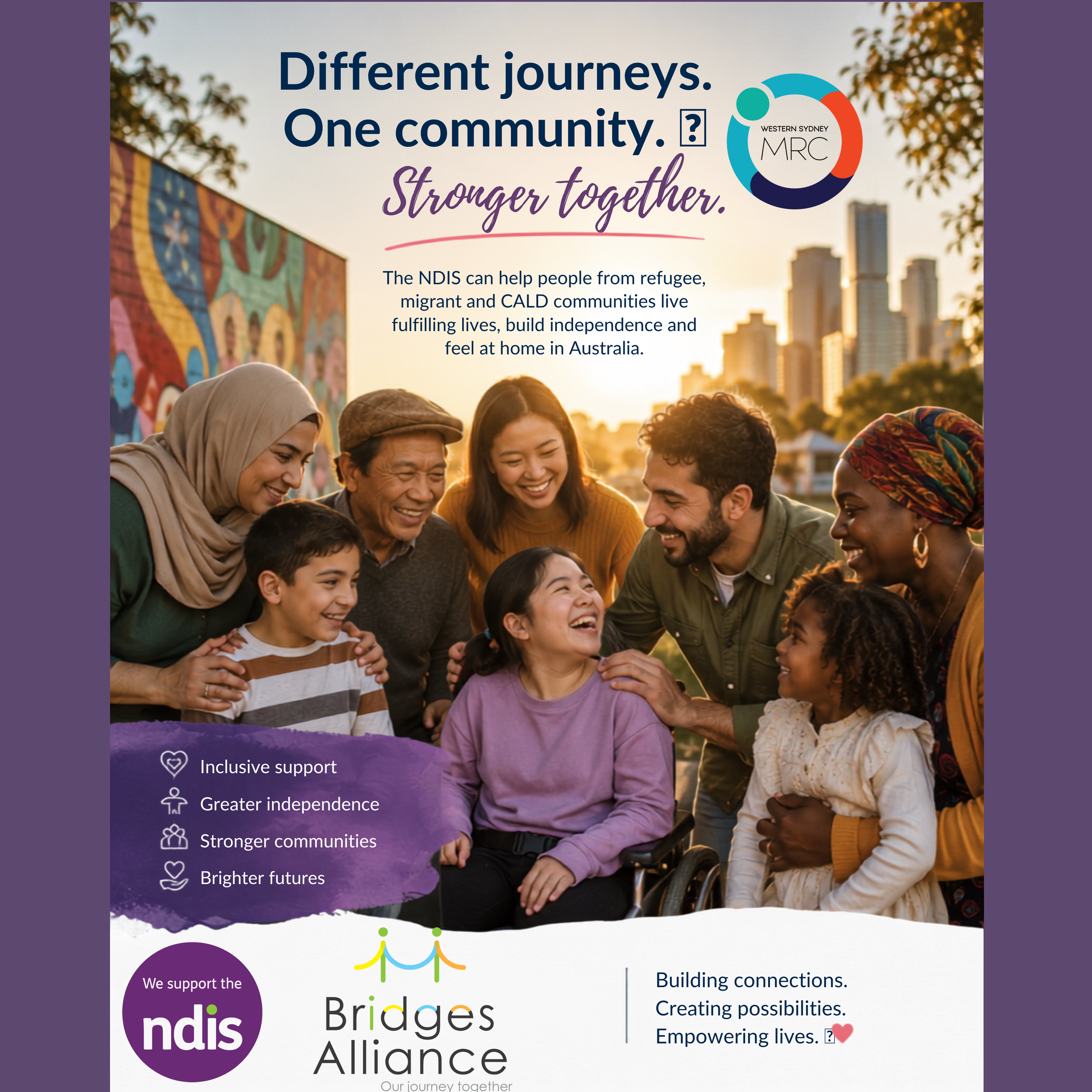
From New Beginnings to New Opportunities: How the NDIS Can Support Refugees, Migrants and Culturally Diverse Communities
Excerpt
Many refugees, migrants, and culturally diverse Australians living with disability may be eligible for NDIS support but face unique barriers when navigating the system. Discover how the NDIS can help CALD communities build independence, strengthen community connections, and achieve meaningful goals.
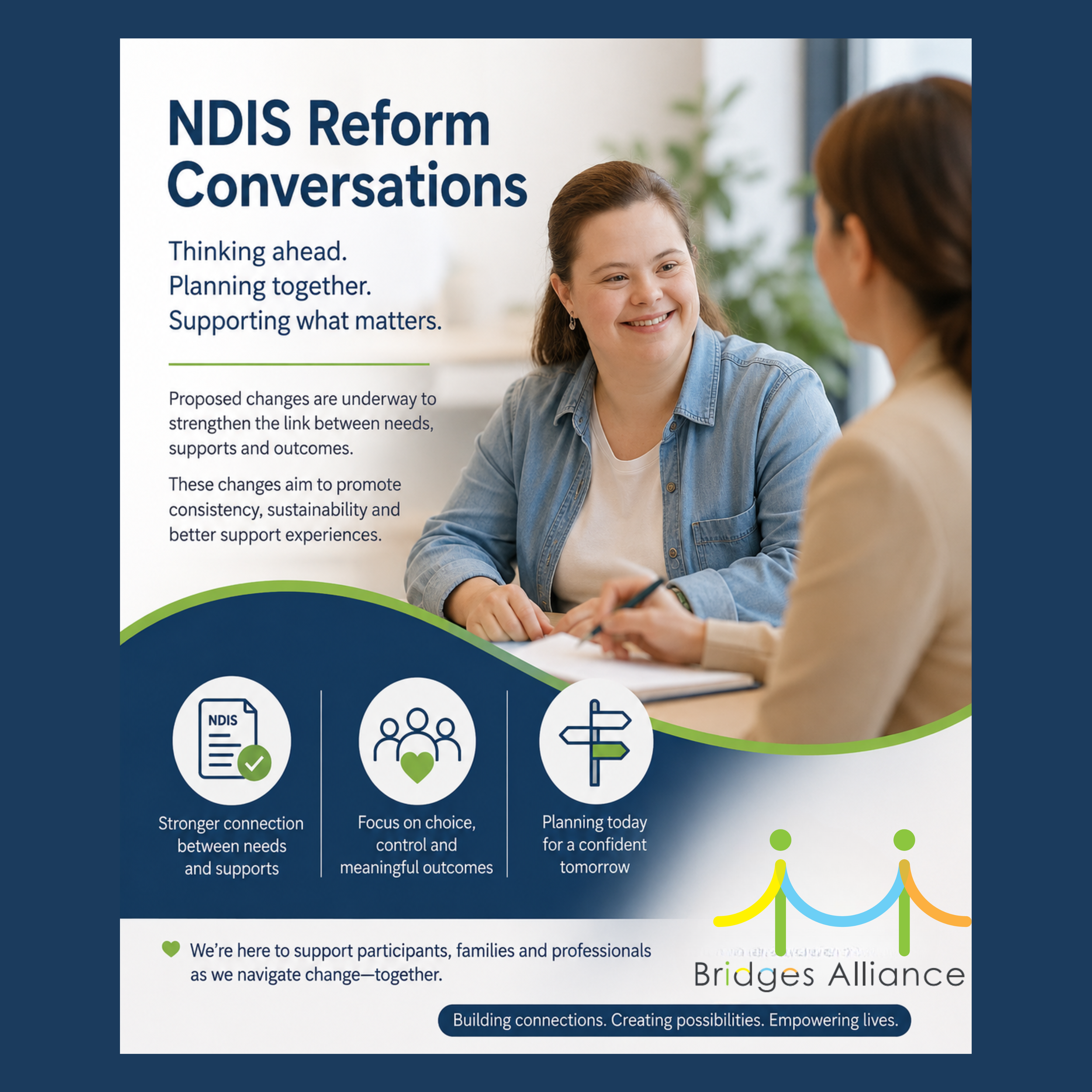
Understanding Proposed Changes to How NDIS Supports Connect to Disability-Related Needs
The NDIS is evolving, with proposed reforms focusing on strengthening the connection between disability-related needs and funded supports. Learn what these changes may mean for participants, families, and Support Coordinators, and how to prepare for future planning conversations.
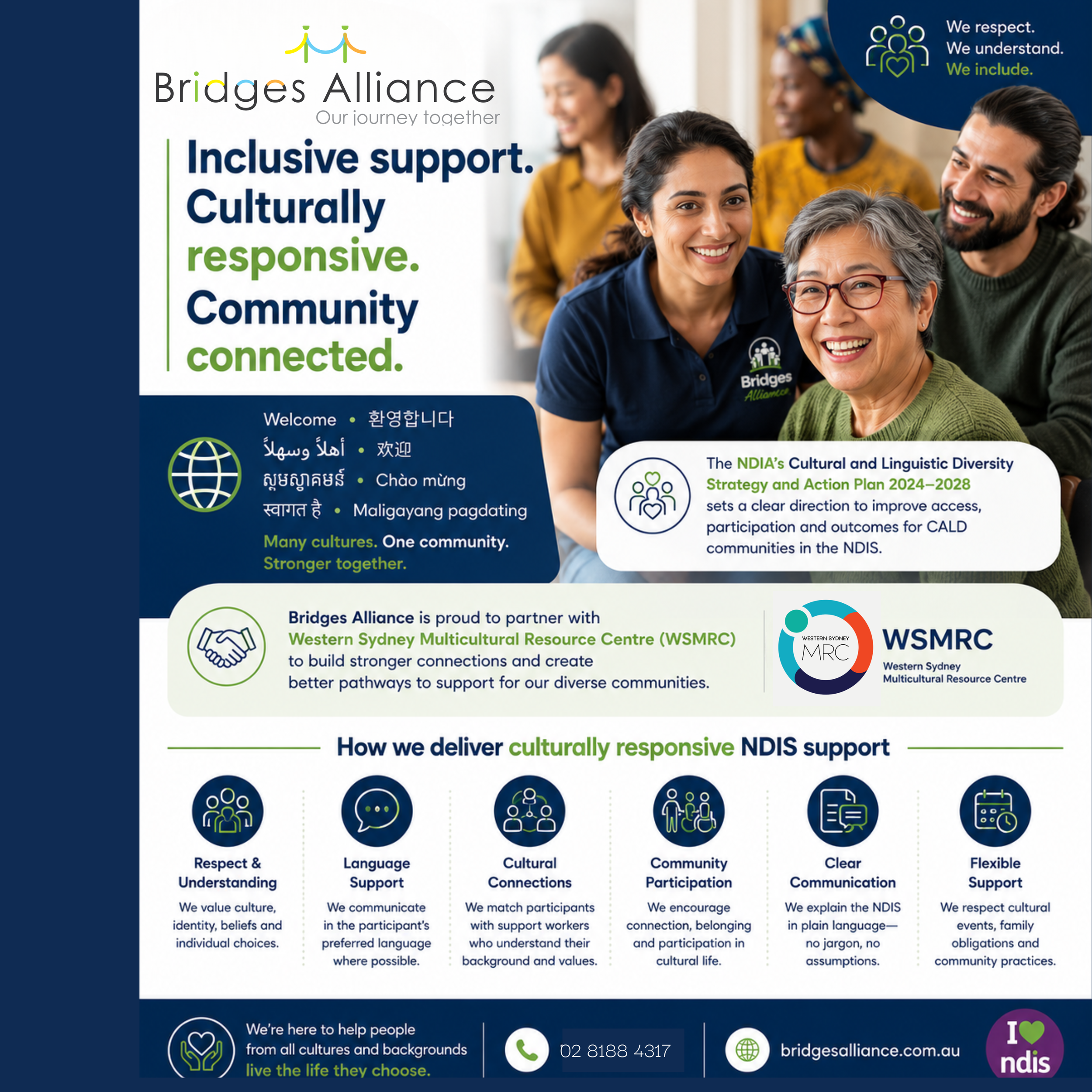
Building Inclusive NDIS Supports for Culturally and Linguistically Diverse Communities
Australia's cultural diversity is one of its greatest strengths, yet many people from culturally and linguistically diverse backgrounds continue to face barriers when accessing disability supports. Learn how culturally responsive NDIS services can improve access, participation, and outcomes for participants and families.
How to Access NDIS Supports Without Long Waiting Lists
Long waiting lists can delay access to important NDIS supports, but they don't have to stop your progress. Learn practical strategies to find available providers, explore alternative options, and access SIL, SDA, Support Coordination and other NDIS services sooner.
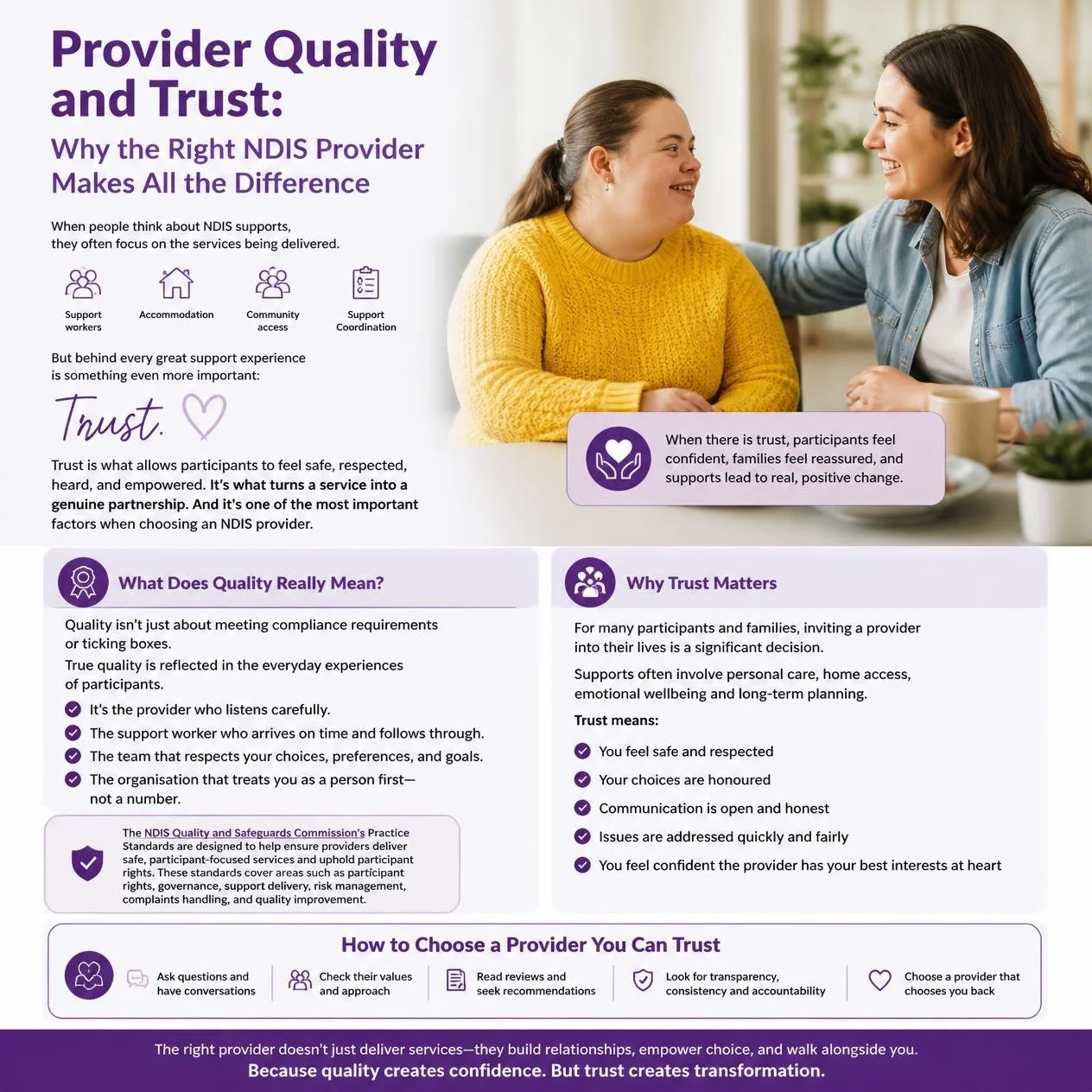
Provider Quality and Trust: Why the Right NDIS Provider Makes All the Difference
Provider quality and trust are essential when choosing an NDIS provider. Learn how quality supports, participant rights, safeguards, communication, and person-centred care help build trust and improve outcomes for NDIS participants.
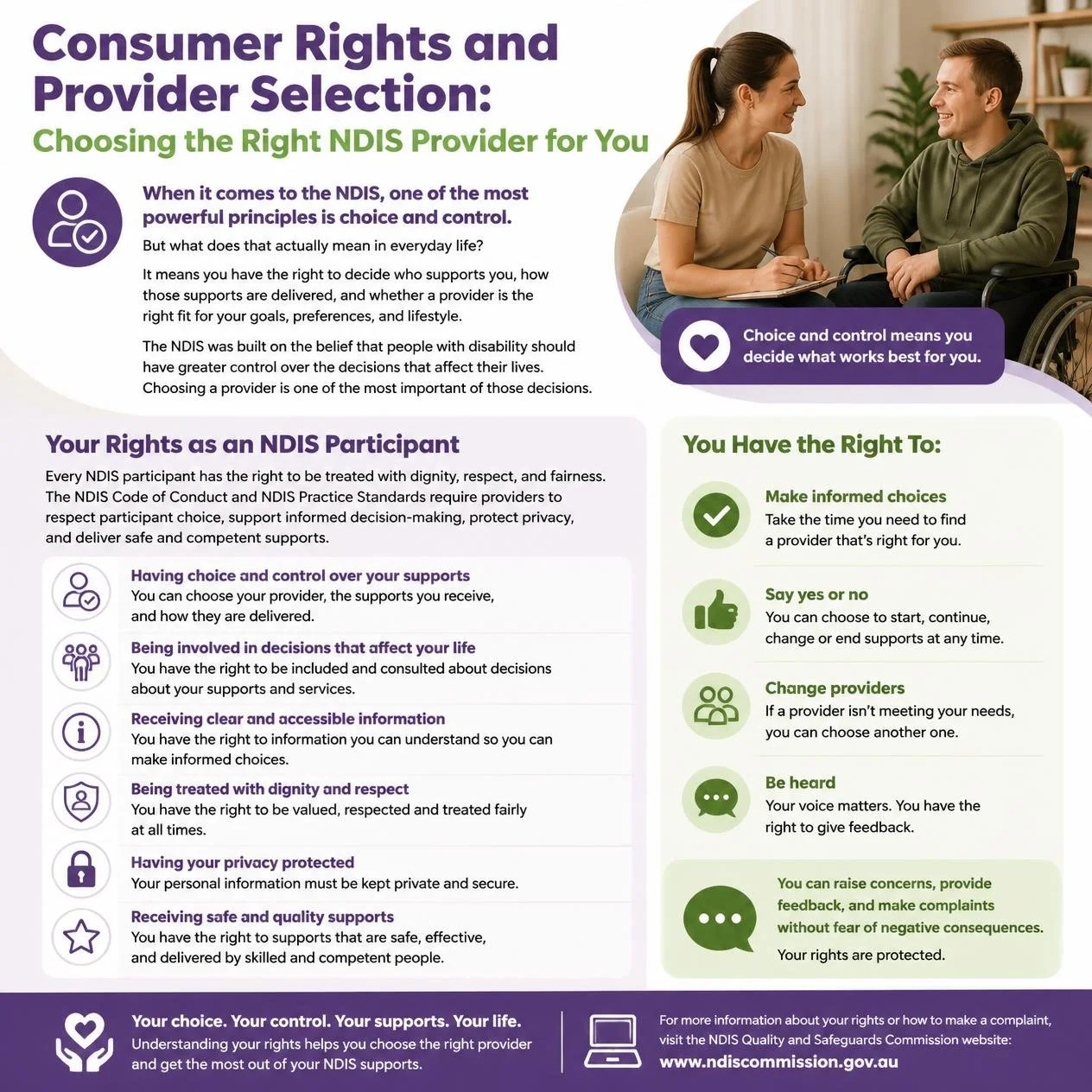
Consumer Rights and Provider Selection: Choosing the Right NDIS Provider for You
Choosing an NDIS provider is one of the most important decisions participants make. Understanding your rights, knowing what questions to ask, and recognising the importance of choice and control can help you find a provider who truly supports your goals, independence, and quality of life.
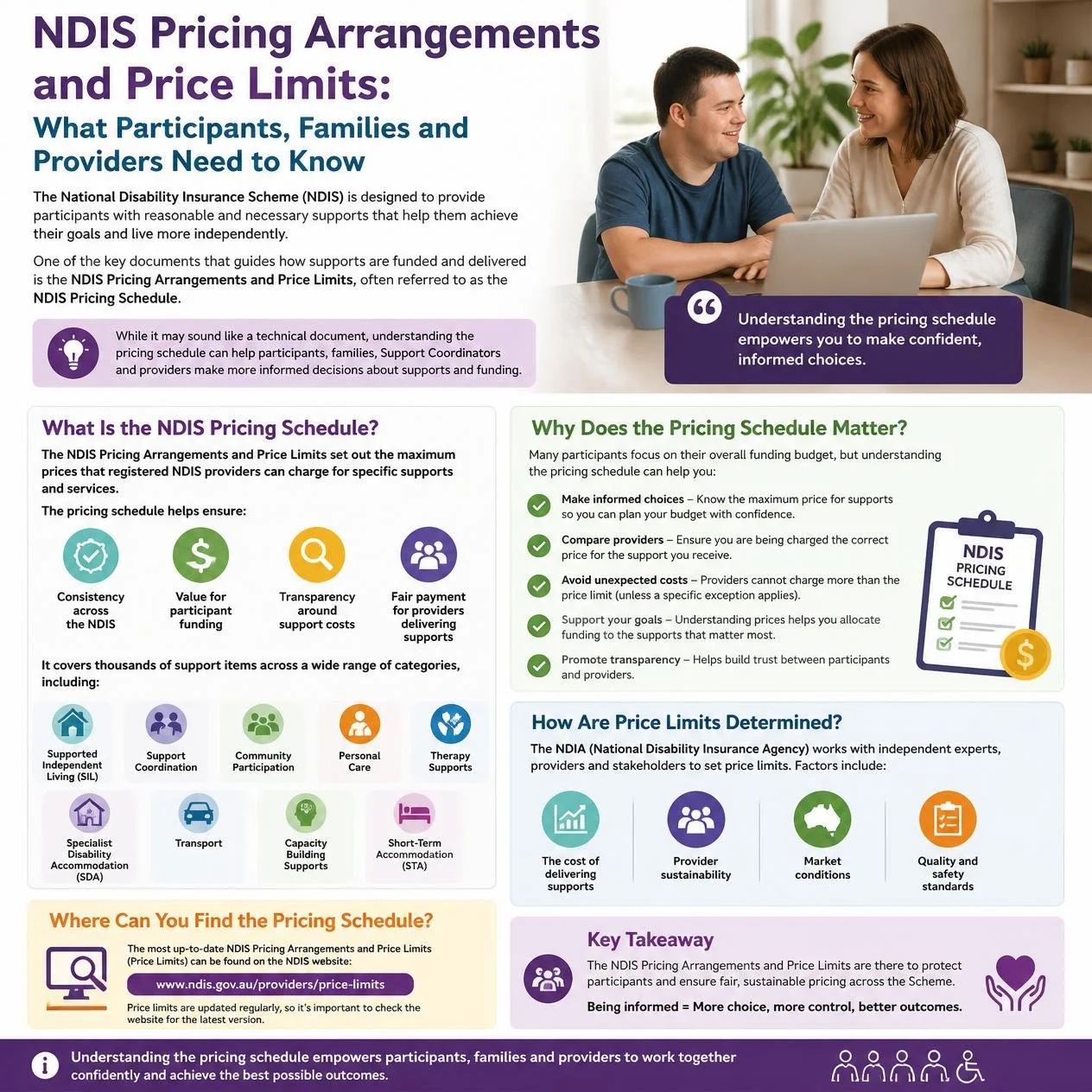
NDIS Pricing Arrangements and Price Limits: What Participants, Families and Providers Need to Know
The NDIS Pricing Schedule helps determine how funded supports are delivered and claimed across Australia. Understanding how price limits work can help participants, families and providers make informed decisions, manage budgets effectively and maximise the value of NDIS funding.

What Makes a Strong Referral Partnership? Building Trust, Collaboration & Better Outcomes in the NDIS
Strong NDIS referral partnerships are built on trust, communication and shared values. Discover how collaboration between Support Coordinators, providers, families and professionals creates better participant outcomes.

The Caring Role Nobody Talks About Enough
Many family carers spend so much time looking after others that they forget to look after themselves. Learn the common signs of carer burnout, why they are often missed, and how recognising them early can support healthier, more sustainable care arrangements for the whole family.

When Do You Start Talking About Supported Independent Living (SIL)?
How do you know when it might be time to consider Supported Independent Living? From growing independence goals to changing family circumstances, this guide explores the common signs participants and families may wish to explore SIL and what to consider when planning for the future.

The Emotional Side of Moving Into SIL
Moving into Supported Independent Living (SIL) is about more than finding a new place to live. It is a significant life transition that can bring excitement, hope, nervousness, and personal growth. Discover the emotional side of moving into SIL and what participants and families should know before taking this important step.

What Independence Means to Different Participants
What does independence really mean? For one person it may be catching public transport. For another it may be making daily decisions, building friendships, learning life skills, or participating in the community. Discover why independence looks different for every NDIS participant and why personal goals matter most.
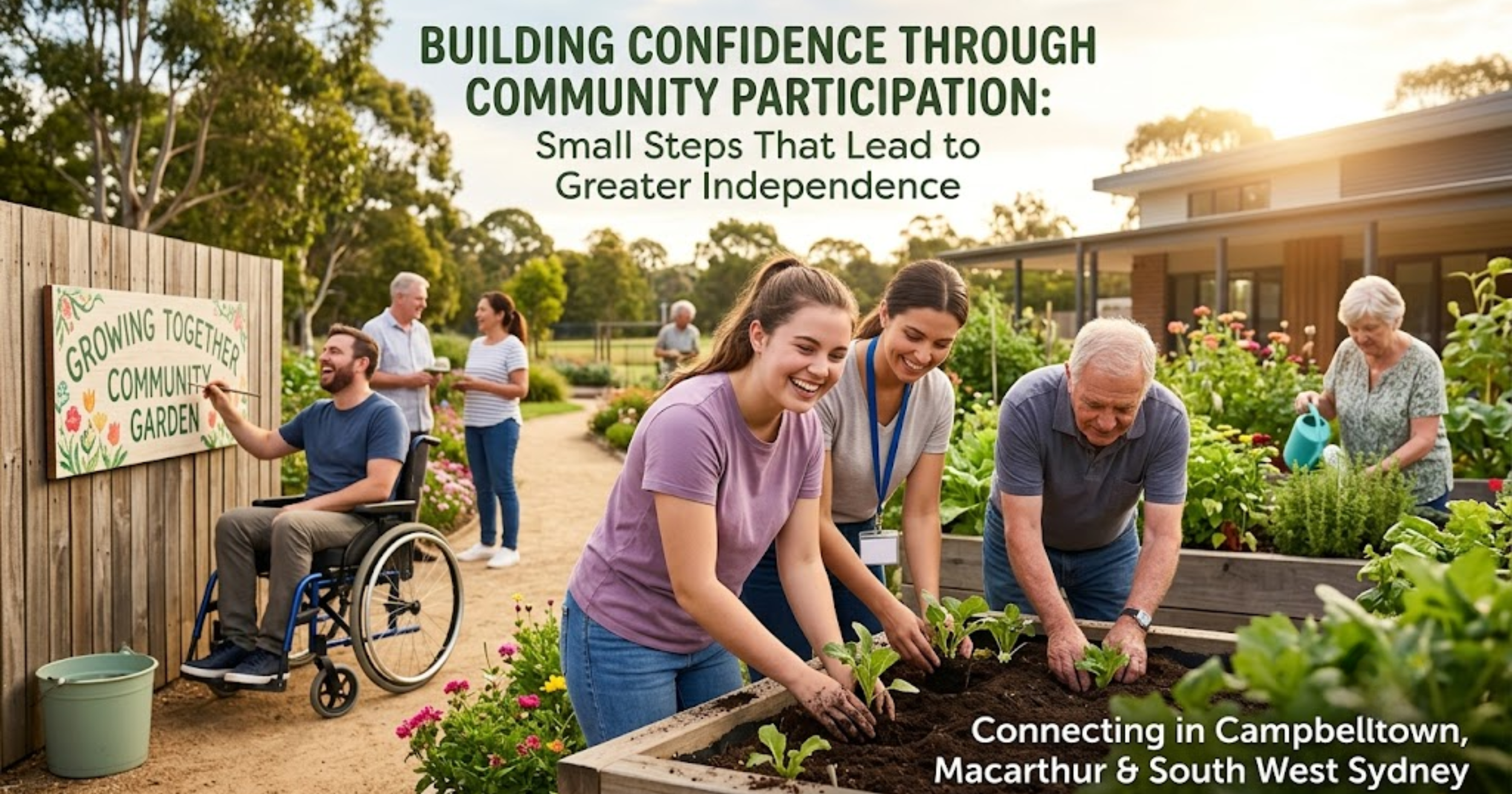
Building Confidence Through Community Participation
Confidence isn't built overnight—it grows through experience. Discover how community participation can help people living with disability develop confidence, strengthen social connections, learn new skills, and take meaningful steps toward greater independence and inclusion within their community.
How Community Participation Supports Mental Health Recovery
Community participation is about more than simply getting out of the house. Discover how meaningful community involvement can support mental health recovery, build confidence, strengthen social connections, and help people living with psychosocial disability pursue their goals and experience a greater sense of belonging.

The Link Between Routine, Independence and Mental Wellbeing
Routine is about much more than schedules and checklists. Discover how meaningful daily routines can support independence, confidence, community participation, and mental wellbeing for people living with disability, and why small habits often lead to significant outcomes over time.