Who Can Get SIL Housing? A Simple Guide (2026 Update)
What is SIL
Wondering if Supported Independent Living (SIL) is right for you? We break down the NDIS rules in plain English—and show you how Bridges Alliance can help.
Let’s be real: the NDIS can be confusing. There are so many acronyms—SIL, SDA, ILO—it’s easy to feel overwhelmed.
If you’re asking, "Do I qualify for SIL housing?" you’ve come to the right place. We’re here to explain it simply, without the jargon. And if you do qualify, we’d love to introduce you to Bridges Alliance—a local provider with homes across NSW.
First Thing First: What is SIL?
SIL stands for Supported Independent Living. But here’s the trick: it pays for the workers who help you, not the rent or the house itself.
SIL = the staff. The people who help you shower, cook, or take medication.
The house = something else. You might live in a share house, with family, or in a specialist home (called SDA).
So when we talk about SIL, we’re really asking: do you need a team of support workers to help you through the day and night?
The NDIS Rules: Who Gets SIL Funding?
The NDIA (the government agency that runs the NDIS) only gives SIL funding to people with higher support needs. You usually need to tick these boxes:
1. You Need Help Most of the Time
SIL is for people who need support around the clock. That means:
Help with personal care (showering, toileting, getting dressed) every day.
Help with meals and medicine.
Someone available overnight, in case you need them.
If you only need a few hours of help a week, SIL might not be the right fit—but other supports like Core Supports could work.
2. You Have a Report From an Occupational Therapist
This is the big one. To get SIL, you need a Functional Capacity Assessment (FCA). An occupational therapist (OT) writes this report. It explains exactly what you can and can’t do on your own—and why you need a team of workers to support you.
Think of it as the evidence the NDIS needs to say "yes."
3. You Have Goals You Want to Reach
The NDIS loves goals. SIL funding works best if you want to:
Live more independently.
Learn new skills (like cooking or cleaning).
Get out into the community and meet people.
For example: "I want to live in a share house with mates and learn to cook my own dinner." That’s a goal SIL can help with.
4. Your Family Can’t Do It All
The NDIS knows families are amazing. But if your parents or siblings are exhausted, getting older, or just can’t provide the level of care you need, SIL can step in. The funding pays for professional workers so your family can just be family.
Wait—What’s the Difference Between SIL and SDA?
This is the most common mix-up. Let’s make it crystal clear:
SIL (Supported Independent Living): Covers the workers. The people.
SDA (Specialist Disability Accommodation): Covers the building. The house itself—especially if it’s specially designed (like with a hoist or wide hallways).
You can have SIL in any home. But if you live in an SDA property (like some of the modern homes Bridges Alliance offers), you might get both types of funding. One pays for the house, the other pays for the helpers.
How Do You Actually Get SIL?
If you think you qualify, here’s the pathway—in simple steps:
Talk to a Support Coordinator. If you have one in your NDIS plan, they’re your guide. If not, ask for funding for one at your next planning meeting.
Book an OT. Get that Functional Capacity Assessment done. It’s the key to the whole process.
Draft a "Roster of Care." This is just a fancy name for a weekly schedule showing when you need help. A good provider (like Bridges Alliance) can help you write this, even before your funding is approved.
Go to your NDIS planning meeting. Bring your evidence, explain your goals, and ask for SIL.
Why People Choose Bridges Alliance
🏡 Why People Choose Bridges Alliance
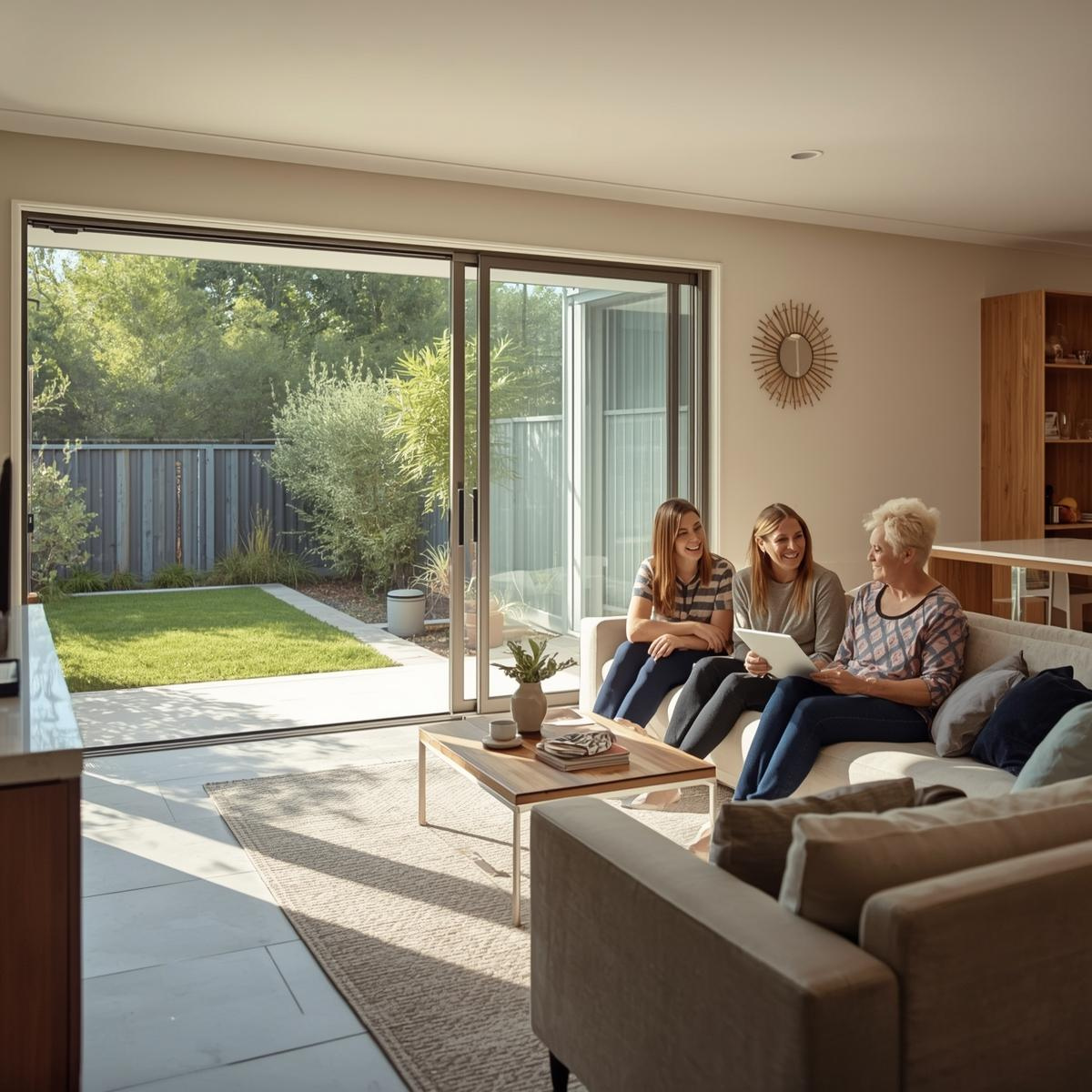
Qualifying for SIL is one thing. Finding the right provider is another. At Bridges Alliance, we’re not just about ticking boxes—we’re about building homes.
Our SIL Homes in NSW
We have modern, accessible homes in great locations, including:
Glen Alpine: A beautiful home with open-plan living—and yes, a jacuzzi!
Campbelltown: 24/7 support in a comfortable, modern setting.
Port Kembla: Our respite house with ocean views—perfect for a break or trial stays.
Wollongong: Close to shops, beaches, and community connections.
What Makes Us Different?
Experienced team: Over 500 years of combined experience in disability support.
Stability: 96% of our participants stay happily housed with us after 18 months.
Heart-led care: We focus on your strengths, not just your needs. We want to see you thrive.
Ready to Find Out More?
If you or someone you love might qualify for SIL, we’re here to help. No pressure, no jargon—just real talk and real support.
📞 Call us: 1300 771 063
📧 Email: infoandreferrals@bridgesalliance.com.au
🌐 Visit: bridgesalliance.com.au
We’d love to show you how supported living can feel like home.
This information is general and doesn’t replace professional advice. Always chat with your support coordinator or NDIS planner about your situation. Bridges Alliance is a registered NDIS provider.
