Beyond Language: 3 Key Considerations for Working with CALD Families in the NDIS
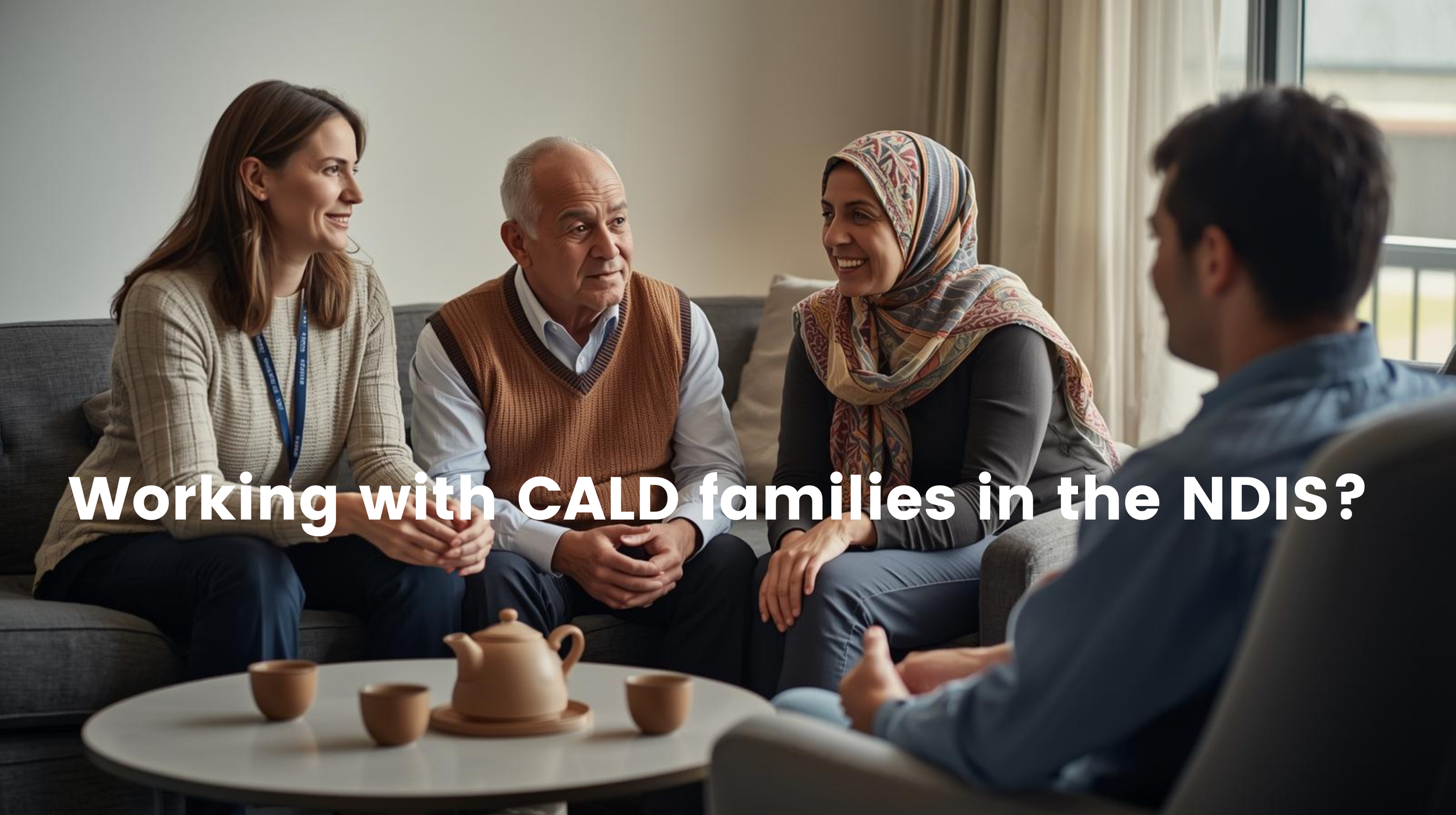
Working with CALD families in the NDIS?
Australia’s National Disability Insurance Scheme (NDIS) is built on the principle of choice and control. But for many families from Culturally and Linguistically Diverse (CALD) backgrounds, navigating this system and exercising that choice is fraught with complexity.
As a Support Coordinator, Plan Manager, or Social Worker in Western Sydney—one of the most culturally rich regions in NSW—you know this challenge firsthand. You work tirelessly to connect participants with supports that fit not just their disability needs, but their cultural identity, language, and family dynamics.
But finding providers who truly understand this delicate balance? That can be the hardest part of the job.
At Bridges Alliance, we believe that effective support is culturally responsive support. We’re an NDIS registered provider committed to ensuring participants and their families feel seen, heard, and respected. Our work across Western Sydney has taught us that building trust with CALD families requires more than just a translator; it requires a genuine partnership.
Here are three critical considerations we keep at the heart of our practice when supporting participants from CALD backgrounds.
1. The Family Unit is the Participant
In many cultures, disability is not viewed as an individual experience but as a shared family journey. Decisions are rarely made by the participant alone. They are discussed with parents, elders, and extended family members whose opinions carry significant weight.
What this means for support:
A service approach that focuses solely on the individual can fail before it begins. We involve the family from the very first conversation. This might mean holding initial meetings with multiple generations present, being flexible with communication styles, and acknowledging the family’s expertise in caring for their loved one. It’s about building a team where the family feels like an equal partner, not just a bystander.
2. Cultural Safety is More Than Translation
Providing information in a family’s preferred language is a crucial first step, but true cultural safety goes deeper. It’s about understanding the unspoken rules—the role of community leaders, the stigma that may surround disability, or the specific gender preferences for support workers.
What this means for support:
We actively listen for these nuances. We ask questions, not just about the support needed, but about the participant's life, background, and what 'a good day' looks like in their cultural context. By matching participants with support workers who are either from a similar background or have demonstrated deep cultural competency, we create an environment where participants and their families feel safe, respected, and truly comfortable. As one of our clients, Frank’s parents, shared, "We have trust with your care of our son. We love the way it is tailored to him, and how he is not just a number."
3. Navigating Bureaucracy with Cultural Insight
The NDIS can be a maze of paperwork, jargon, and strict deadlines. For families where English is a second language, or who come from countries with very different government systems, this can be overwhelming and intimidating. Mistrust of "the system" can be a significant barrier.
What this means for support:
We act as cultural navigators as well as support providers. We take the time to explain why a process exists, not just how to do it. We break down complex information into clear, manageable steps and are patient in answering the same question multiple times. We understand that building trust takes time, and we are committed to being a steady, transparent, and reassuring presence for the families we serve.
Let’s Build a More Inclusive Network Together
For you, as a dedicated professional, finding providers who share this commitment to culturally responsive care is essential. You need partners who will not only deliver high-quality support but will also enhance the trust and rapport you’ve worked so hard to build with your clients.
At Bridges Alliance, we don't just offer accommodation and support services; we offer a partnership approach that respects the whole person and their whole family. Whether it's Supported Independent Living (SIL), respite, or community access, our goal is to help every participant, from every background, enjoy a life of connection and fulfilment.
Ready to connect your clients with a provider who truly understands the diverse communities of Western Sydney?
Let’s start a conversation. Reach out to the Bridges Alliance team today.
📞 Call us: 1300 771 063
📧 Email: infoandreferrals@bridgesalliance.com.au
