
🧠 The Quiet Power of “Assistance with Daily Life” — And Why It’s More Than Just Support
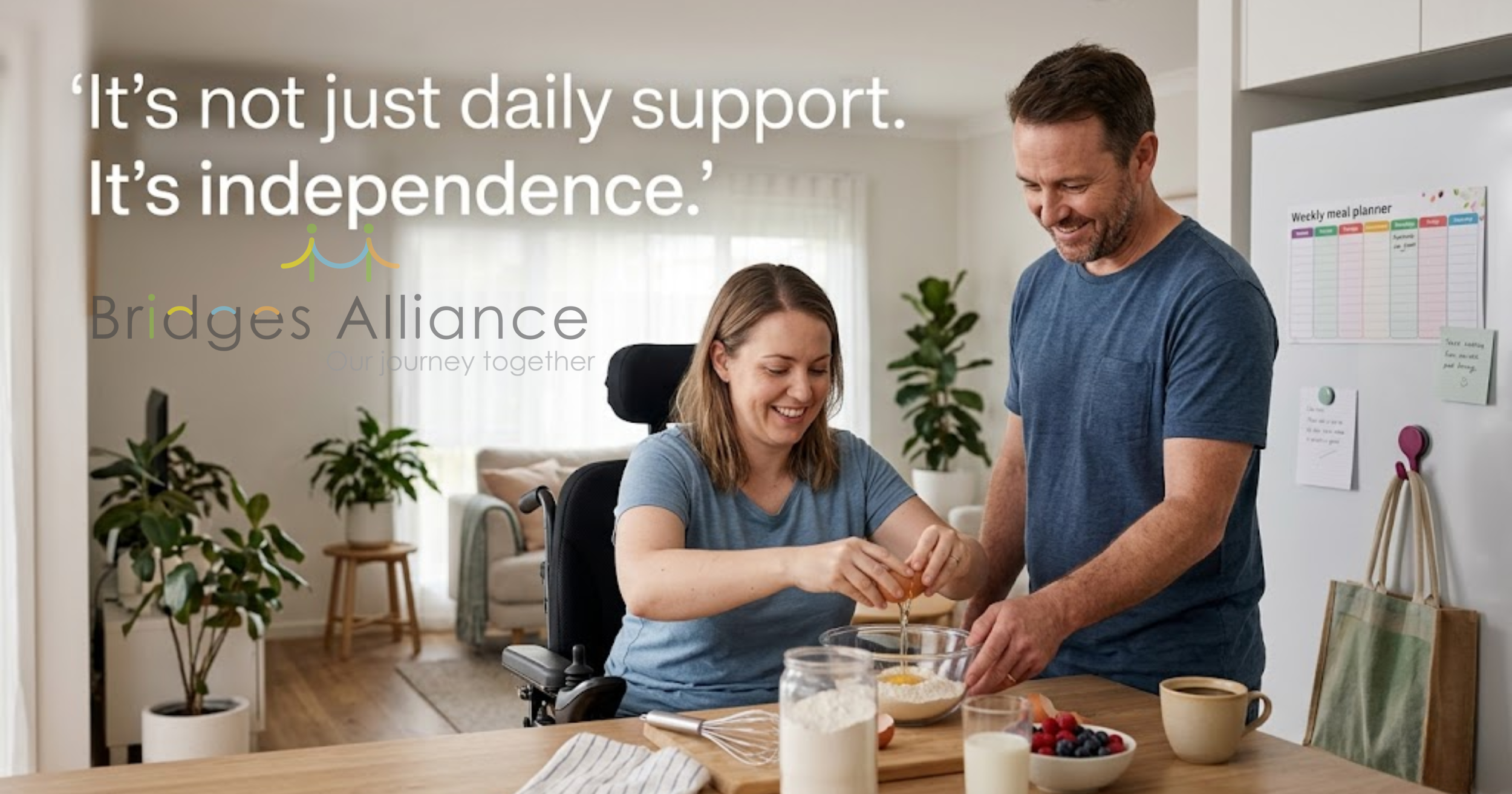
🔍 What “Assistance with Daily Life” Really Means
Under the NDIS Core Supports budget, Assistance with Daily Life exists to support or supervise personal tasks so participants can live as independently as possible
But here’s the nuance most providers miss:
It’s not just about doing things for someone —
It’s about enabling someone to live life on their terms.
This includes:
Personal care (showering, dressing, hygiene)
Meal preparation & nutrition
Household tasks (cleaning, shopping, laundry)
Medication prompts & mobility support
High-intensity supports where required
At its best, it transforms:
👉 Dependence → Capability
👉 Isolation → Participation
👉 Routine → Choice
⚡ The Real Problem: “Service Delivery” vs “Life Design”
Too many providers treat daily support like a checklist:
✔ Shower done
✔ Meals prepared
✔ House cleaned
But participants don’t live in checklists.
They live in moments, identity, and aspiration.
And this is where providers either:
Become replaceable, or
Become indispensable
🌉 Enter a Different Standard: Bridges Alliance
What separates a provider like Bridges Alliance isn’t just compliance — it’s philosophy.
They don’t position Assistance with Daily Life as:
“We’ll help you get through the day.”
They position it as:
“We’ll help you build a life worth waking up to.”
With:
Tailored, person-centred support (not one-size-fits-all)
Integration with accommodation, respite, and community living
A focus on connection, dignity, and long-term independence
This is a subtle but powerful shift:
👉 From support work → to life architecture
🧠 The Psychology Behind High-Impact NDIS Providers
After analysing high-performing social and service models, one truth stands out:
People don’t engage with services.
They engage with how those services make them feel about their future.
Bridges Alliance taps into:
Trust (families feel safe handing over care)
Identity (participants aren’t “clients” — they’re individuals)
Progression (support evolves, not stagnates)
💡 The Provocative Question (For Participants, Families & Coordinators)
If two providers offer the same hourly rate…
…but one simply assists
…and the other elevates
👉 Are they really offering the same value?
🚀 Final Thought
NDIS Assistance with Daily Life is one of the most flexible, widely used supports in the scheme — but also one of the most misunderstood.
Used passively, it maintains life.
Used intentionally, it transforms it.
And the providers who understand that distinction?
They don’t just deliver hours.
They deliver outcomes.
📌 FAQ
What is Assistance with Daily Life in the NDIS?
Assistance with Daily Life is a Core Support category that funds help or supervision with everyday personal tasks to support independence and safety in daily living
What services are included in daily living supports?
Services include personal care, meal preparation, cleaning, shopping, mobility assistance, and medication support
Is Assistance with Daily Life flexible?
Yes. It sits within the Core Supports budget, which is generally flexible across categories based on participant needs and goals
Who is eligible for Assistance with Daily Life?
NDIS participants with approved funding based on “reasonable and necessary” disability-related needs can access this support.
How do I choose the right provider?
Look beyond price. Focus on:
Personalisation
Consistency of staff
Outcome-driven support
Alignment with participant goals
Can Assistance with Daily Life help build independence?
Yes. While it provides direct support, its long-term goal is to improve independence and quality of life.
