
Supported Independent Living in Macarthur: What Families Need to Know
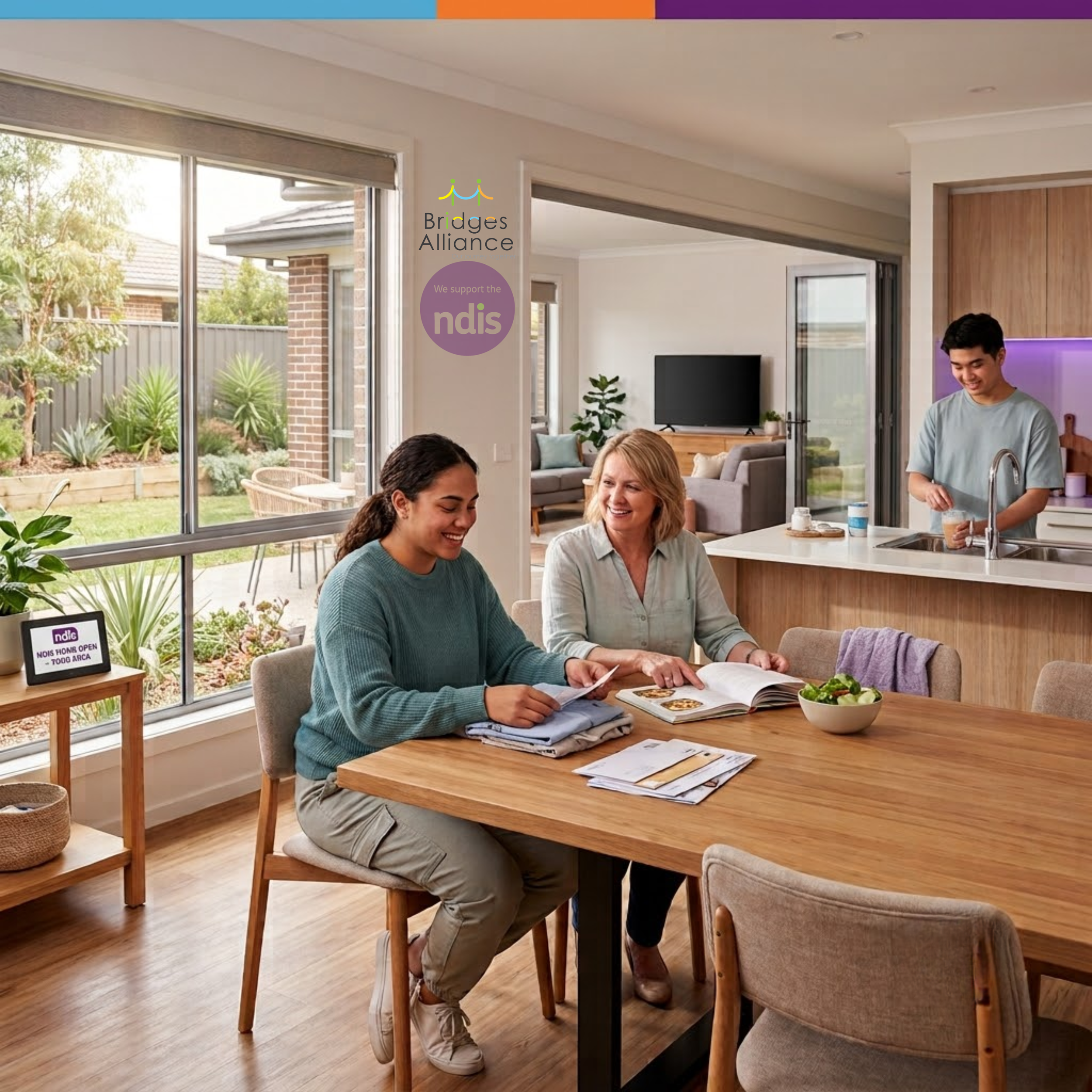
What Is Supported Independent Living (SIL)?
For many families, one of the most significant decisions they will ever make is determining how and where their loved one will live as they pursue greater independence.
Supported Independent Living (SIL) is often an important part of that journey.
Across the Macarthur region, more participants and families are exploring SIL as a way to build independence, develop life skills, increase community participation, and create a home environment that supports individual goals and aspirations.
If you're considering SIL for a family member, understanding how it works can help you make informed decisions and feel more confident about the next steps.
What Is Supported Independent Living (SIL)?
Supported Independent Living is an NDIS-funded support that assists eligible participants with daily living tasks while they live in a shared home or, in some circumstances, their own home.
SIL funding focuses on the support a participant receives rather than the property itself.
Support may include assistance with:
Personal care
Meal preparation
Household tasks
Medication support
Developing independent living skills
Building routines
Community participation
Social engagement
Decision-making and capacity building
The goal of SIL is to help participants live as independently as possible while receiving the support they need.
How Do Families Know When It May Be Time to Consider SIL?
Every family's circumstances are different.
There is no single "right time" to explore Supported Independent Living, but some common situations include:
A participant wants greater independence.
Parents or carers are ageing.
Existing support arrangements are becoming difficult to sustain.
The participant wishes to develop life skills and confidence.
There is a desire for greater social connection and community participation.
Transition planning is required for adulthood or future living arrangements.
For many families, SIL is not about replacing family support—it is about creating additional opportunities for independence and personal growth.
What Does Life in a SIL Home Look Like?
Every SIL home is different because every participant is different.
A typical day may involve:
Participating in household routines.
Preparing meals with support.
Attending work, study, or day programs.
Community access activities.
Developing practical life skills.
Spending time with housemates and support staff.
Pursuing personal interests and goals.
The level of support provided varies according to each participant's individual needs and NDIS plan.
What Should Families Look For in a SIL Provider?
Choosing a provider is an important decision.
Families may wish to consider:
Participant-Centred Approach
The participant's goals, preferences, and choices should remain central to all decision-making.
Staff Experience and Consistency
Experienced and appropriately trained staff can help create stability and continuity of support.
Compatibility and Housemate Matching
Shared living arrangements work best when participants' lifestyles, interests, and support needs are carefully considered.
Communication
Open communication between participants, families, support workers, and other stakeholders can contribute to positive outcomes.
Community Access Opportunities
Meaningful participation in the local community is often an important aspect of SIL.
How Is SIL Funded?
Supported Independent Living funding is generally considered through the NDIS planning process where evidence demonstrates the need for ongoing support with daily living activities.
Funding decisions are made by the NDIS based on individual circumstances and assessed support needs.
Families seeking SIL funding should discuss their circumstances with their NDIS planner, Local Area Coordinator (LAC), Support Coordinator, or relevant allied health professionals.
Common Concerns Families Have About SIL
"Will my loved one lose contact with family?"
No.
Families typically continue playing an important role in participants' lives. SIL often complements existing family relationships rather than replacing them.
"Will they be supported to achieve their goals?"
SIL supports are designed to assist participants in pursuing their individual goals, building skills, and increasing independence.
"What if SIL doesn't feel like the right fit?"
Finding the right environment is important. Many providers offer opportunities to discuss support arrangements, meet staff, and understand how supports are delivered before making decisions.
SIL in the Macarthur Community
The Macarthur region offers a growing range of disability support services, community programs, recreational opportunities, transport options, and accommodation supports that can contribute to a participant's quality of life.
For many participants, living closer to local amenities, social opportunities, family networks, and community activities can support greater independence and inclusion.
Final Thoughts
Exploring Supported Independent Living is often a significant milestone for participants and families.
While the process can feel overwhelming at first, understanding how SIL works and what to look for can help families make informed decisions that align with their loved one's goals, preferences, and support needs.
Every participant's journey is unique. The right support arrangements should reflect the individual's aspirations, promote choice and control, and support them to live a life that is meaningful to them.
Frequently Asked Questions (FAQ)
What is Supported Independent Living (SIL)?
Supported Independent Living is an NDIS-funded support that assists eligible participants with daily living activities while promoting independence and skill development.
Does SIL funding pay for accommodation?
Generally, SIL funding covers support services rather than accommodation costs. Accommodation funding arrangements vary depending on individual circumstances and housing types.
Who is SIL designed for?
SIL may suit participants who require ongoing support with daily living activities and wish to increase their independence.
Can families still be involved if a participant moves into SIL?
Yes. Families often continue playing an important role in participants' lives and support networks.
How do I know if SIL is right for my family member?
Every situation is different. Families may wish to discuss options with their Support Coordinator, NDIS planner, allied health professionals, or relevant support providers.
What should I look for during a SIL property visit?
Consider factors such as support arrangements, accessibility, location, compatibility with housemates, community access opportunities, and how participant choice is supported.
AEO & GEO Text
Answer Engine Optimisation (AEO)
Supported Independent Living (SIL) is an NDIS-funded support designed to help eligible participants live as independently as possible while receiving assistance with everyday tasks. SIL may include support with personal care, household tasks, medication management, community participation, and developing independent living skills.
Families in the Macarthur region often explore SIL when a loved one is seeking greater independence, when family care arrangements are changing, or when additional daily support is required to achieve personal goals.
Geographic Optimisation (GEO)
Families searching for Supported Independent Living in Campbelltown, Leumeah, Mount Annan, Glen Alpine, Macarthur Heights, Picton, Wollondilly and surrounding South-West Sydney areas can benefit from understanding local accommodation options, support availability, community access opportunities, and the SIL referral process.
