Things People Don’t Say About the NDIS… But Feel Every Day
Things People Don’t Say About the NDIS… But Feel Every Day
There’s a version of the NDIS that lives in documents, plans, and meetings.
And then there’s the version people actually experience.
The quiet one.
The one that doesn’t always get said out loud.
This is about that version.
The Thoughts That Stay Unspoken
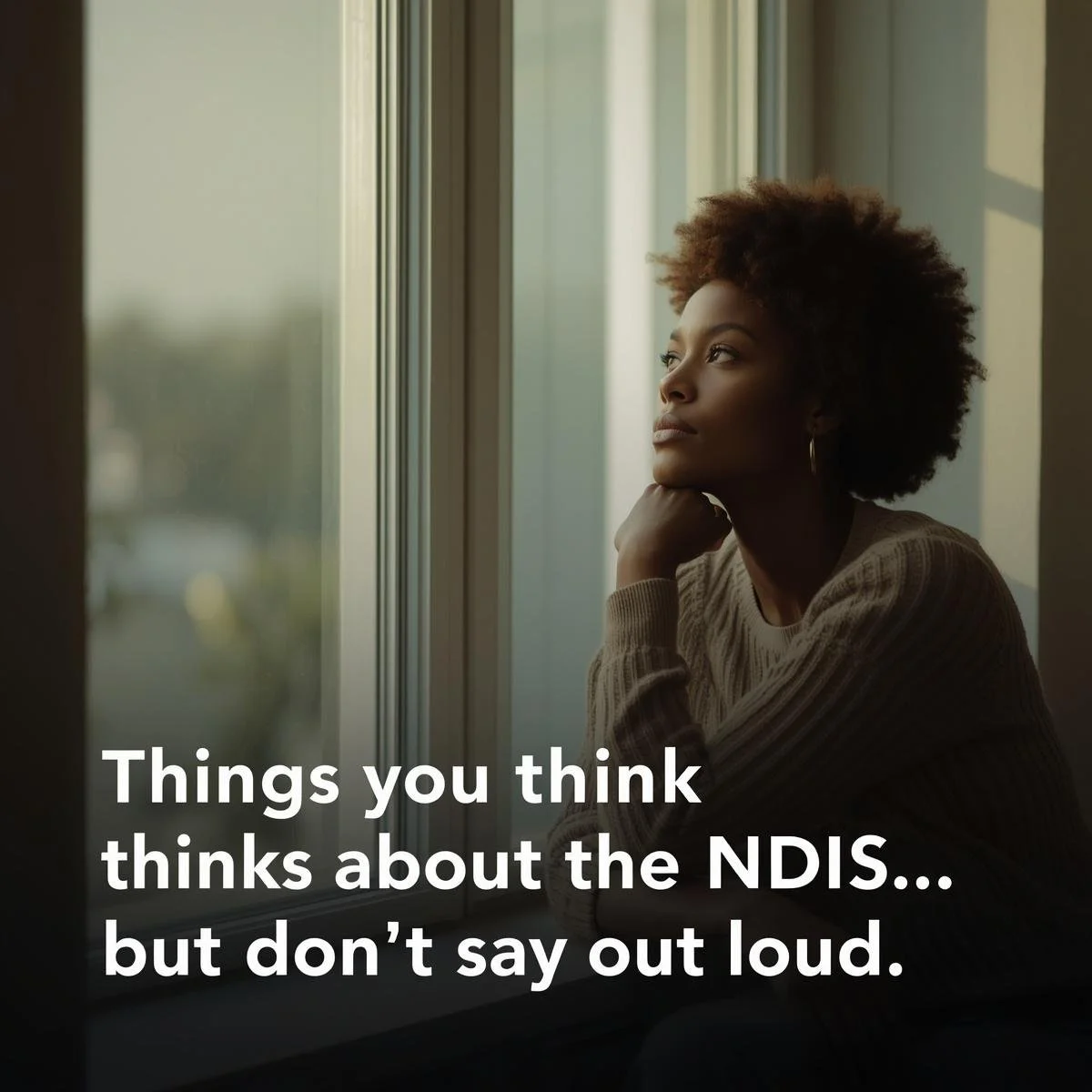
If you’re an NDIS participant, you might recognise some of these:
“I’m not asking for more… I just want what was already approved.”
“I nod in meetings… but half the time I’m still confused.”
“I wish someone would just explain things in plain English.”
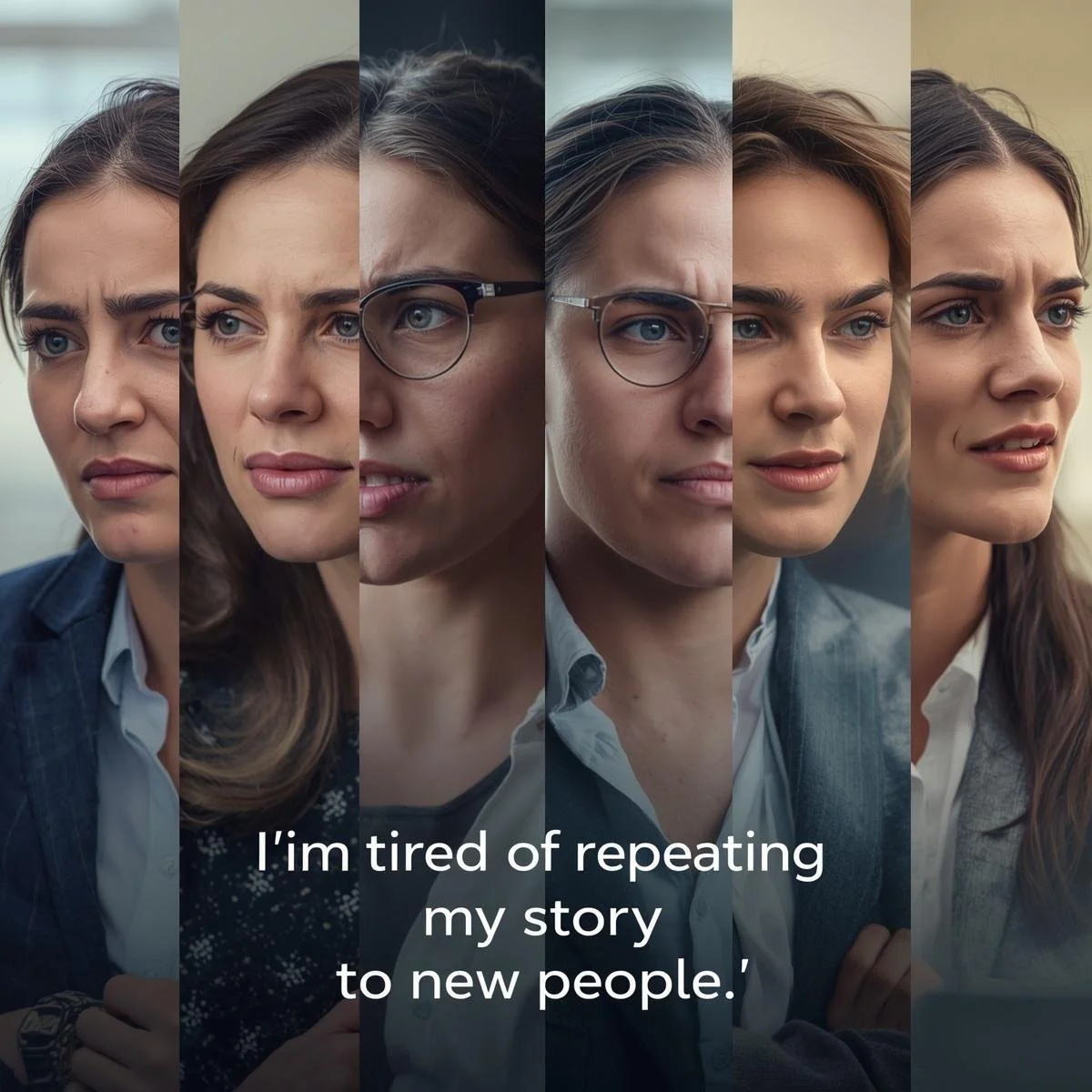
“I’m tired of repeating my story to new people.”
“I don’t want to be managed… I want to be understood.”
These aren’t complaints.
They’re signals.
Signals that something in the system isn’t landing the way it should.
The Other Side No One Talks About
Support Coordinators carry their own unspoken thoughts too:
“I’m juggling so many participants… I worry I can’t give each one enough time.”
“I care more than my job description… but the system doesn’t always make it easy.”
“I wish providers communicated better… so participants didn’t fall through the cracks.”
Behind every plan is a human trying to make things work — often within a system that isn’t always simple.
The Gap Isn’t Effort — It’s Connection
Most people in the NDIS ecosystem are trying.
Participants are advocating for themselves.
Coordinators are balancing competing demands.
Providers are delivering services within constraints.
So why does it still feel hard?
Because what’s missing isn’t effort.
It’s connection.
Clear communication.
Consistency.
People actually listening — not just responding.
What Better Support Actually Feels Like
Better support doesn’t feel like:
Repeating your story multiple times
Sitting through meetings you don’t fully understand
Chasing updates or clarity
It feels like:
Being understood the first time
Having things explained simply
Knowing someone is genuinely in your corner
A Different Way Forward
At Bridges Alliance, the focus is simple:
Listen to what’s being said —
and what isn’t.
Because often, the most important part of support
is understanding the things people don’t quite have the words for yet.
No jargon.
No unnecessary complexity.
Just real conversations and consistent support.
If This Felt Familiar…
If This Felt Familiar…
You’re not the only one thinking these things.
Most people don’t say it out loud.
But they feel it.
And when support starts to feel easier, clearer, and more human —
that’s when things begin to change.
💬 Have you ever felt this way?
You don’t have to explain everything perfectly — sometimes being heard is where it starts.
❓ Frequently Asked Questions (FAQ) — NDIS Support That Actually Makes Sense
1. What is the NDIS and how does it actually work?
The NDIS (National Disability Insurance Scheme) provides funding to support people with disability to live more independently and achieve their goals.
You receive a plan with funding categories — then choose providers to deliver those supports.
2. Why do I still feel confused even after meetings?
You’re not alone. The system can be complex, full of jargon, and fast-moving.
A good provider should explain things clearly, in plain English, and make sure you actually understand — not just agree.
3. Do I have to stick with a provider if it’s not working?
No. You have choice and control.
If a provider isn’t meeting your needs, you can change — your support should work for you, not the other way around.
4. What does a Support Coordinator actually do?
A Support Coordinator helps you:
Understand your plan
Connect with the right providers
Build your independence
Navigate challenges in the system
They’re there to make the NDIS feel simpler and more manageable.
5. Why do I keep repeating my story to different people?
This often happens when communication between providers isn’t strong.
The right team should minimise this by:
Keeping consistent records
Communicating internally
Taking the time to really understand you from the start
6. What should good support actually feel like?
Good support feels:
Clear (you understand what’s happening)
Consistent (you’re not starting over each time)
Respectful (you’re heard, not managed)
Empowering (you’re part of decisions)
7. Can I ask questions even if I don’t know the “right” terms?
Absolutely. You don’t need to know NDIS language.
A good provider will meet you where you are and explain things simply.
8. How do I know if I have the “right” provider?
Ask yourself:
Do I feel heard?
Do I understand what’s happening?
Do I trust them to follow through?
If the answer is no, it may be time to explore other options.
9. What makes Bridges Alliance different?
Bridges Alliance focuses on:
Listening beyond the surface
Clear, human communication
Consistency in support
Building genuine relationships
It’s not just about delivering services — it’s about making support feel right.
10. What should I do if I feel stuck or overwhelmed?
Start simple:
Write down what’s confusing
Talk to someone you trust
Reach out to a provider who will actually listen
You don’t have to figure it all out alone.
💬 Final Thought
Most people don’t say these things out loud…
But they matter.
The right support doesn’t just tick boxes —
it helps you feel understood, confident, and in control.
