
Our work speaks for itself.Learn how SIL can help participants live more independently while receiving the support they need.

Understanding Supported Independent Living (SIL)
Under the National Disability Insurance Scheme (NDIS), Supported Independent Living (SIL) is a funded support designed to help participants live as independently as possible while building their everyday life skills.
It is primarily focused on person-to-person assistance and is typically suited for participants who require a higher level of continuous, on-site support at home.
What SIL Covers vs. What It Does Not
A common point of confusion when navigating the NDIS framework is distinguishing between the care services provided and the physical environment you live in. To remain NDIS compliant, funding is strictly separated into distinct categories:
1. What SIL Covers (Paid via NDIS Core Supports)
SIL funding pays for the roster of support staff who assist you with daily tasks inside your home. This includes:
Daily Personal Care: Help with morning and evening routines, showering, dressing, and complex physical transfers.
Life Skills Development: Active, capacity-building assistance with cooking, meal planning, cleaning, laundry, and household budgeting.
Medication & Health Monitoring: Support with administering medication, managing medical profiles, or following specific behavioral support guidelines.
Overnight Support: Sleepover or active overnight support staff ensuring 24/7 safety and peace of mind.
2. What SIL Does Not Cover (Paid Out-of-Pocket or via Other Funding)
By law, SIL funding cannot be used to pay for everyday living expenses or structural elements. These must be accounted for separately:
Rent or Property Costs: Paid using personal funds, such as the Disability Support Pension (DSP). If you live in a specialized house, the property component is funded under Specialist Disability Accommodation (SDA).
Board and Daily Living Expenses: Out-of-pocket costs for groceries, utility bills (gas, electricity, water), and home internet.
Community Activities: Entering paid events, buying cinema tickets, or buying food while out in the community.
Vehicle and Transport Costs: General day-to-day transit or specialized mobility equipment modifications.
Important NDIS Safeguards: Your Rights
The NDIS Quality and Safeguards Commission enforces strict rules to ensure your rights, choice, and control are protected:
The Separation of Housing and Support: An NDIS provider cannot force or pressure you to use their support staff just because you live in a property they own or manage. You have the explicit right to choose who provides your daily care, and you can change your support provider without losing your tenancy.
Roster of Care (RoC) Transparency: Before a SIL arrangement begins, you, your family, or your Support Coordinator have the right to review and agree to a detailed Roster of Care outlining exactly how many individual and shared staffing hours are allocated to your support.
Formal Agreements: You should always have two separate, transparent documents: a Tenancy or Residency Agreement (covering your rights as a resident) and an NDIS Service Agreement (covering your schedule of care supports).
Next Steps: Planning a Transition
If establishing an independent living arrangement is one of your long-term NDIS plan goals, the standard pathway involves:
Functional Assessments: Obtaining an updated Occupational Therapy (OT) Functional Capacity Assessment that specifically recommends the required level of 1:1 or shared housing support hours.
Evidence Submission: Submitting a Home and Living Supporting Evidence Form to the NDIA for panel review to determine if the funding meets the "Reasonable and Necessary" criteria.
Provider Matching: Interviewing potential SIL providers and visiting vacancies to ensure the housemates, staff qualifications, and culture align perfectly with your personal interests and behavioral profiles.

NDIS SIL Funding: How it Works & How it is Calculated
Navigating Supported Independent Living (SIL) funding can feel complex because it operates differently from standard hourly NDIS Core allocations. Under the National Disability Insurance Scheme (NDIS), SIL funding is specifically modeled around a participant's regular, weekly household routine and individual safety needs rather than a flexible "pool" of hours.
1. How SIL Funding is Calculated: The Roster of Care (RoC)
Unlike standard community access where supports are claimed ad-hoc, SIL funding is approved based on a structural blueprint called a Roster of Care (RoC).
Shared and Individual Mapping: The RoC maps out every hour of a 24-week day or weekend cycle, detailing when a participant shares a support worker with housemates (e.g., a 1:2 or 1:3 ratio for meal preparation) and when they require dedicated 1:1 attention.
The Provider Quote: The chosen SIL provider translates this agreed schedule into a localized quote following strict NDIS Pricing Guide limits.
NDIA Review and Stated Funding: The National Disability Insurance Agency (NDIA) assesses the quote alongside allied health evidence (like an Occupational Therapy Functional Capacity Assessment) to ensure it is "reasonable and necessary." Once approved, the funding is locked into the plan as a Stated Support, meaning it cannot be spent on any other service type.
2. Supported Levels of SIL Funding
The NDIS divides funding profiles into tiers depending on individual medical or behavioral complexities:
Funding LevelType of Care ProvidedStaffing Profile IncludedLow NeedsDrop-in support.Periodic assistance with household tasks and monitoring, without overnight worker presence.Standard NeedsActive daytime care & baseline routines.Continuous assistance with daily living, combined with sleepover (inactive) overnight support staff.High IntensityHigh-level medical or complex behaviors.Continuous 24/7 care with higher worker-to-participant ratios and active overnight staff awake through the night.
Irregular Support Days Safeguard: To ensure funding stability, the NDIS automatically builds in a safety net buffer (typically 10 days per year for standard needs, and 15 days for high-intensity needs) to cover unexpected spikes in care, such as a participant staying home sick from their regular day program.
3. The 2026 Mandatory Registration Rule & Quality Safeguards
The regulatory landscape governing SIL funding includes critical protections for participant safety:
Mandatory Registration: All providers managing and delivering SIL supports must be fully registered with the NDIS Quality and Safeguards Commission. This safeguard ensures that any provider claiming SIL funds must undergo mandatory independent auditing, clear worker governance screening, and strict adherence to strict human rights practice modules.
Worker Screening: Every single worker operating under an NDIS SIL funding allocation must possess a valid, verified NDIS Worker Screening Check.
Strict Boundary Separation: To preserve genuine choice and control, the entity delivering your SIL support services should ideally remain structurally separate from the landlord managing your physical tenancy property, eliminating hidden conflicts of interest.
4. How SIL Interacts with Other NDIS Plan Budgets
Receiving SIL funding does not mean all other supports stop. It is explicitly designed to stitch cleanly into broader plan line-items:
SIL vs. SDA: SIL pays for the people supporting you. If your disability requires a specially designed or physically modified building, that "bricks and mortar" infrastructure component is funded separately under Specialist Disability Accommodation (SDA).
SIL vs. Community Access: SIL only covers support delivered within the boundaries of the home environment. When a participant leaves the house to attend a job, university, or a community club, that staffing time switches to a standard Social and Community Participation Core support line-item.

SIL vs. SDA: Understanding the Difference
When planning for independent living under the National Disability Insurance Scheme (NDIS), two terms are frequently discussed together: Supported Independent Living (SIL) and Specialist Disability Accommodation (SDA).
While they both support the overarching goal of home independence, they fund completely separate components of your living arrangements. To maintain strict NDIS compliance and protect participant rights, the NDIS separates them into "the care services" and "the physical building."
The Core Breakdown: Care vs. Bricks and Mortar
A helpful way to remember the distinction is that SIL covers the people, while SDA covers the physical home.
1. Supported Independent Living (SIL) – The Support Services
SIL is funded under your Core Supports budget. It is entirely focused on person-to-person assistance and building your everyday capacity to live independently.
What it funds: On-site support staff to assist with personal care, meal preparation, medication management, cleaning, and active or sleepover overnight assistance.
Who it is for: Participants who need continuous, daily assistance to maximize their independence safely at home.
Portability: Highly portable. If you move to a different home, your SIL funding moves with you to pay your new care team.
2. Specialist Disability Accommodation (SDA) – The Physical Building
SDA is funded under your Capital Supports budget. It does not pay for support workers; instead, it funds the physical bricks, mortar, and specialized infrastructure of the home itself.
What it funds: The structural costs of a home designed with specialized accessibility requirements. This includes features like wide doorways, ceiling hoists, reinforced walls, robust structural materials, or advanced assistive technology integrations.
Who it is for: A small percentage of NDIS participants who have extreme functional impairments or very high support needs requiring a specialized physical environment.
Eligibility: Strictly assessed based on physical and behavioral criteria, categorized into distinct design tiers (e.g., Improved Liveability, Fully Accessible, High Physical Support, or Robust).
Comparing SIL and SDA at a Glance
FeatureSupported Independent Living (SIL)Specialist Disability Accommodation (SDA)NDIS Plan Budget
Core Supports (Assistance with Daily Life)
Capital Supports (Home & Living)
What You See
The support workers, carers, and rostered staff.
The house, modified bathrooms, ramps, and physical technology.
Covers Everyday Tasks?
Yes. Cooking, showering, cleaning, and skill building.
No. It strictly pays for the physical property framework.
Do all SIL users need SDA?
No. Many participants receive SIL services while living in standard, unmodified rental properties or family homes.
Yes, generally. Most participants living in an SDA-enrolled property will require an accompanying SIL roster to manage daily tasks safely.
Important NDIS Choice & Control Safeguards
The NDIS Quality and Safeguards Commission enforces a strict regulatory boundary between these two types of funding to protect participants from being locked into unfair arrangements:
The Right to Separate Providers: To protect your choice and control, your SDA provider (the landlord of the building) and your SIL provider (the agency managing the support workers) should ideally be completely separate organizations.
No Forced Bundling: An accommodation provider cannot legally force you to use their specific support workers just because you occupy their SDA property (unless a highly complex, bundled exception has been formally approved by the NDIS Commission).
Freedom to Change Care: If you are unhappy with your daily support staff, you have the right to change your SIL care provider without it affecting your tenancy or forcing you to move out of your SDA home.
Separate Legal Documents: You must always be provided with two separate agreements: an SDA Tenancy/Residency Agreement for the home, and an NDIS Service Agreement for your roster of care.
How Do You Apply for SIL or SDA?
If you want to move into independent or shared living, your Support Coordinator will guide you through the transition pathway:
Allied Health Evidence: You will need an Occupational Therapy (OT) Functional Capacity Assessment that explicitly outlines both your physical housing structure needs (for SDA) and your functional daily care hours (for SIL).
NDIA Housing Review: Your evidence is submitted to the NDIA Home and Living panel via a Supporting Evidence Form.
Vacancy Matching: Once your plan is updated with the approved funding tiers, you can begin interviewing providers and viewing vacancies that match your exact clinical, social, and cultural requirements.

SIL vs. ILO: Which Home & Living Option is Right for You?
When looking for home and living supports under the National Disability Insurance Scheme (NDIS), there is no one-size-fits-all model. Two of the most common frameworks designed to build independence are Supported Independent Living (SIL) and Individualised Living Options (ILO).
While both options focus on helping you live independently in the community, they approach your daily routines, living structures, and support networks completely differently.
The Core Concept: Structured Roster vs. Customized Living
The choice between SIL and ILO generally comes down to your personal support needs, how much flexibility you want, and who you want to live with.
SIL is a roster-focused model: It centers around a structured schedule of support staff who provide on-site care, often in a shared home environment with other participants.
ILO is a relationship-focused model: It works by designing a customized mix of formal paid supports and informal personal relationships (like friends, family, housemates, or hosts) to support you in a home of your choosing.
Comparing SIL and ILO side-by-side
FeatureSupported Independent Living (SIL)Individualised Living Options (ILO)Primary Focus
Structured Support. Paid support workers provide on-site assistance based on a regular, predictable weekly routine.
Flexible Relationships. Paid supports are combined with natural, informal networks built around your unique lifestyle.
Typical Living Arrangement
Often a shared house with 2 to 5 residents, though individual SIL can be funded for complex needs.
Highly varied. You might live on your own, with a supportive housemate, with a host family, or in your family home.
Level of Support Needs
Best suited for participants who need higher levels of continuous, 24/7 care or active overnight staff.
Best suited for participants with low-to-medium support needs who do not require 24/7 continuous professional nursing or active overnight care.
How it is Funded
Approved as a fixed, regular Stated Support based on an official provider quote and a Roster of Care (RoC).
Funded in two distinct stages: Stage 1 (Exploration & Design) to plan the model, and Stage 2 (Implementation) to fund the arrangements.
Common ILO Living Models
Because ILO is entirely customizable, it typically fits into one of four distinct frameworks:
Co-Residency: You live in your own home or a rental property with a housemate (who does not have a disability) who receives free or discounted rent in exchange for providing a baseline level of casual, drop-in support.
Host Arrangements: You choose to live with a host family or individual in their home, becoming part of their household while they provide regular daily care and companionship.
Living Alone: You live by yourself with a highly integrated network of pop-in support workers, technology aids, neighbors, and family checking in at specific times.
Living Together: You live with a partner, friend, or sibling, with formal funding bridging the gap to support your joint household duties.
Which Option Matches Your Goals?
Choose SIL if:
You require continuous, highly predictable, or complex physical care throughout the day and night.
You benefit from having a structured, awake, or highly trained team of professional support workers on-site at all times.
You enjoy the social aspect of a traditional group home environment with other NDIS participants.
Choose ILO if:
You want complete choice over exactly who you live with, preferring not to live in a traditional provider-managed disability group home.
Your support needs are low-to-medium, and you are comfortable spending parts of the day or night safely on your own.
You want to blend your funded NDIS services creatively with informal support from friends, housemates, or host families.
NDIS Safeguard Reminder: Your Rights
The NDIS Quality and Safeguards Commission outlines strict rules to ensure both options respect your personal autonomy:
No Forced Living Arrangements: A provider cannot make decisions about where you live or who you live with. Whether you select SIL or ILO, the choice must be entirely driven by your voice and goals.
Separate Agreements: For SIL, you maintain separate tenancy and care agreements. For ILO, your Service Agreement must explicitly outline the responsibilities, boundaries, and financial payments made to any co-residents or hosts to keep your safety fully protected.
Need help exploring these options?
Your Support Coordinator can assist you in gathering the necessary Occupational Therapy (OT) assessments or utilizing ILO Stage 1 funding to design the exact home lifestyle that fits you best.
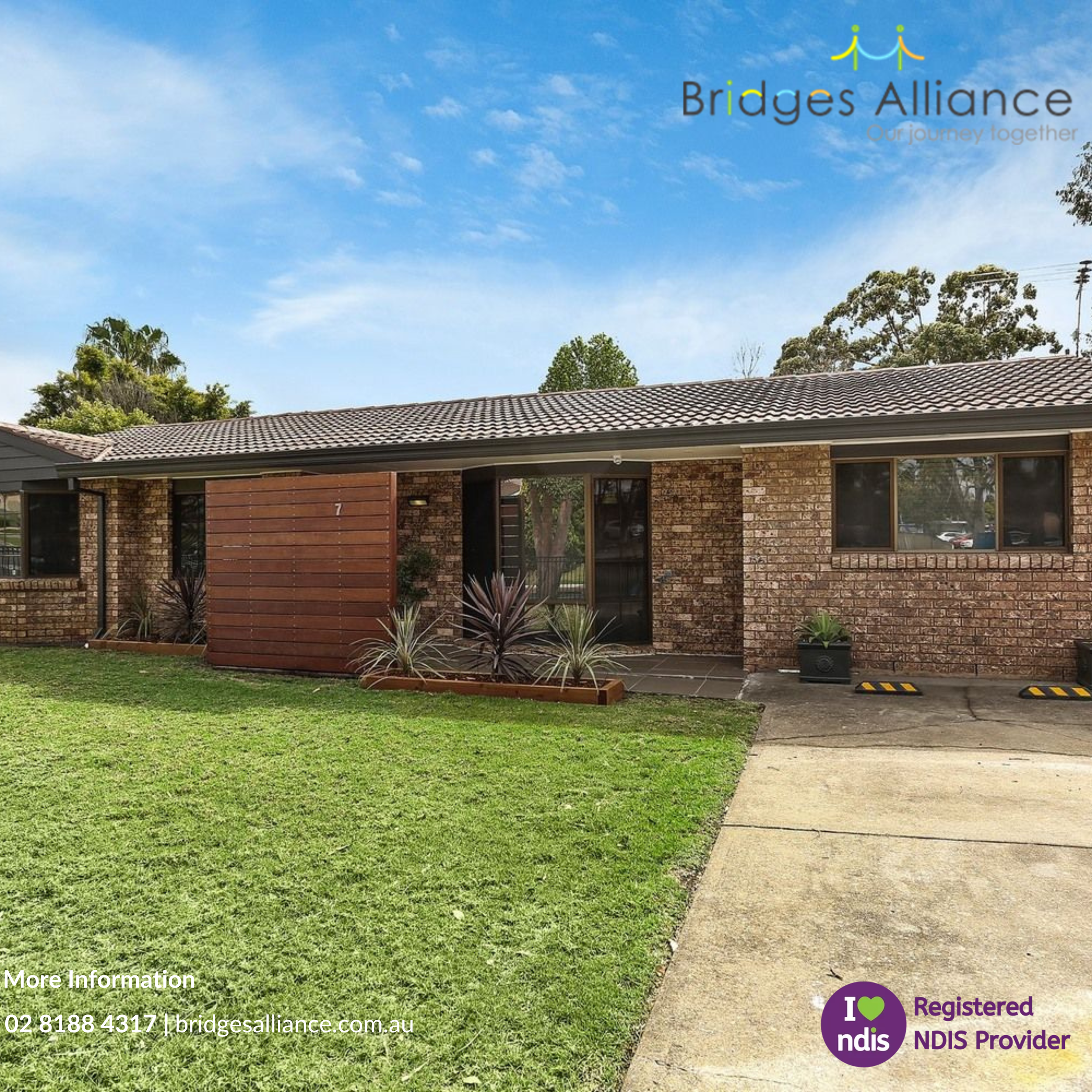
How SIL Housemate Matching Works: Balancing Choice, Control, and Compatibility
Moving into a shared Supported Independent Living (SIL) home is a major life transition. Under the NDIS Quality and Safeguards Commission rules, finding the right home isn't just about locating an empty bedroom—it is a structured, participant-centered compatibility process designed to protect your safety, rights, and personal choices.
A successful SIL housemate match balances your clinical support needs with your personality, lifestyle, and social goals.
The Step-by-Step Matching Process
Registered NDIS providers follow a rigorous, step-by-step framework to ensure that any proposed living arrangement is safe, sustainable, and positive for everyone in the household.
Step 1: Deep Profile Mapping
Before you look at physical properties, a provider will work with you, your family, and your Support Coordinator to build an extensive compatibility profile. This maps out:
Daily Routines & Sleep Profiles: Do you prefer a quiet, early-rising household, or do you thrive in a high-energy environment with later schedules?
Passions and Shared Interests: Matching residents who share similar hobbies (e.g., sports, sensory arts, cooking, or technology) to foster genuine friendships.
Sensory and Environmental Needs: Ensuring sensory triggers (like high-noise levels or specific lighting requirements) are mutually respected and structurally compatible within the home.
Communication Profiles: Aligning communication styles, whether verbal or utilizing specialized AAC devices/communication cards, so everyone can interact comfortably.
Step 2: The Roster of Care (RoC) Alignment
Because SIL funding is based on shared support ratios (such as 1:2 or 1:3 staffing models), the provider must ensure your funded hours align cleanly with the existing housemates. For example, if three residents all require intensive, individualised physical care at exactly 7:00 AM, the provider must adjust the staffing roster to ensure everyone's health and safety routines are fully maintained without compromise.
Step 3: Meet-and-Greets & Trial Stays
To ensure a match feels right in practice, transitions are staggered over time:
Initial Meet-and-Greets: Meeting potential housemates in a neutral community setting, like a park or café, to see how natural chemistry develops.
Site Visits: Gradual afternoon or dinner visits to the home to experience the overall household dynamic first-hand.
Trial Overnights: Arranging a temporary weekend stay to test compatibility before finalizing any legal agreements.
Behavioral Compatibility and On-Site Safeguards
Providers have a strict duty of care to implement risk-mitigation strategies that guarantee a safe, harmonious living environment for all residents:
Impact Assessments: Providers conduct thorough impact assessments before introducing a new resident to a home. This clinical review ensures that one participant's specific medical or behavioral support plans do not negatively impact the mental health, sensory stability, or physical safety of another.
Worker Familiarization: Support staff are comprehensively briefed on the behavior support plans and communication protocols of all residents before a new match moves in, preventing friction during the transition.
Your Rights: NDIS Choice and Control
The Ultimate Veto Power: You have the absolute right to say no. A provider cannot force or pressure you to move into a property or live with a specific individual. True NDIS compliance means the participant holds final sign-off power over who shares their home.
Furthermore, your Tenancy/Residency Agreement (your legal right to stay in the home) and your NDIS Service Agreement (your care hours) are kept completely separate. If household dynamics change down the track or a match is no longer working efficiently, you maintain the freedom to explore alternative vacancies or modify your provider arrangements without fear of losing your consumer rights.