What Happens When an NDIS Provider Lets You Down (And What To Do Next)
What Better Support Should Look Like
When you find the right provider, the difference is clear.
You should expect:
• Consistent and reliable support staff
• A genuine focus on independence and skill-building
• Open, transparent communication
• Flexibility to adapt to changing needs
• A service that feels person-centred—not one-size-fits-all
Support should never feel like it’s just being “delivered.”
It should feel like it’s working with you, not around you.
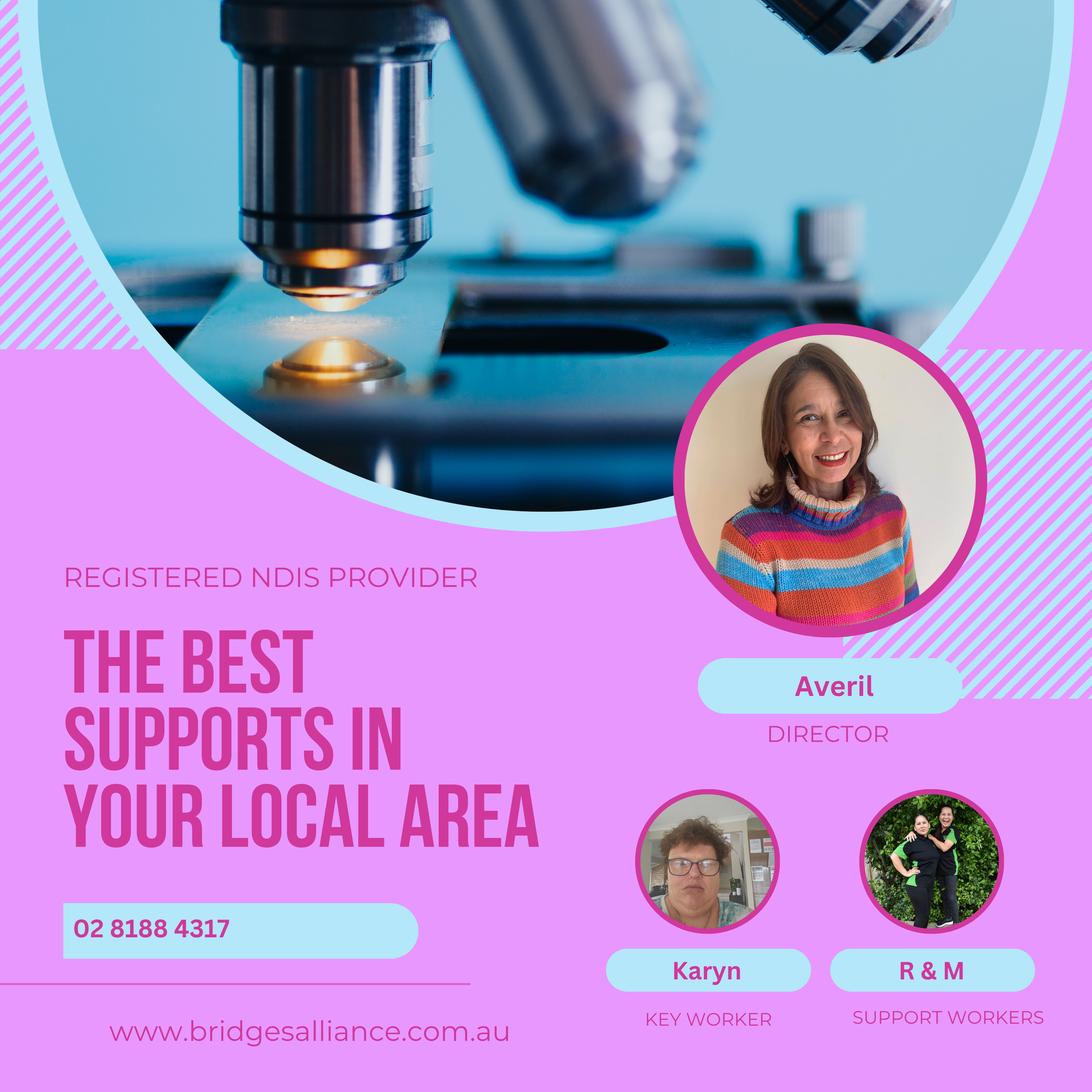
A Day in SIL Done Right: What Participants Should Expect
Why This Matters
SIL is more than accommodation—it’s someone’s home.
And the quality of support delivered each day directly impacts:
• Confidence
• Independence
• Emotional wellbeing
• Long-term outcomes
That’s why it’s so important to look beyond availability and ask:
“Is this support truly centred around the person?”
Listening, Learning, Improving: A New Chapter in Customer Experience
Better conversations lead to better outcomes. As the NSW Trustee and Guardian strengthens its approach to customer feedback and service delivery, Bridges Alliance continues to champion participant voice through responsive, person-centred NDIS support.
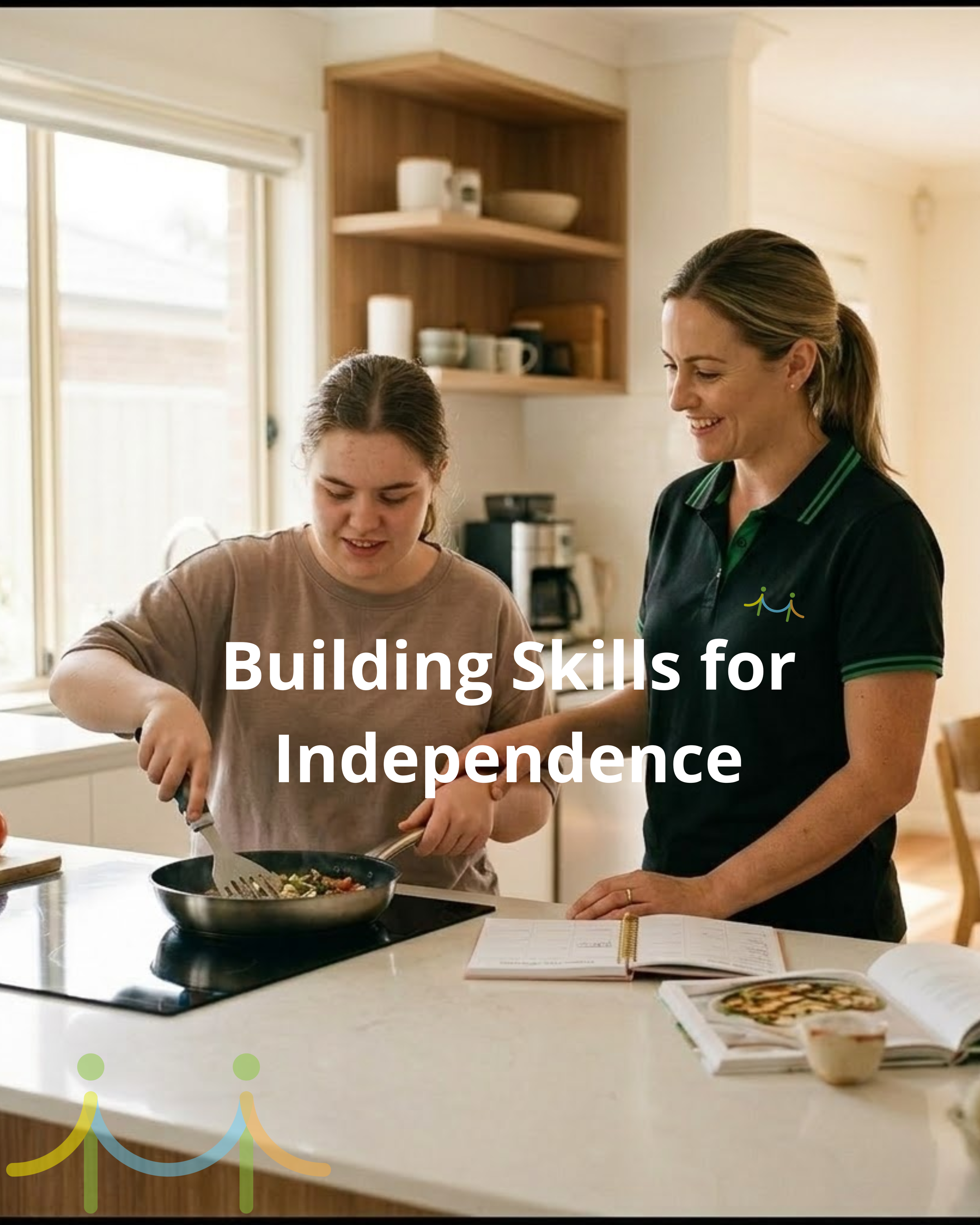
Life After School: Navigating NDIS Pathways with Confidence — Supported by Bridges Alliance
🌟 Real Futures, Real Outcomes
We’ve seen firsthand what happens when participants are supported to pursue their goals after school:
Increased confidence
Greater independence
Stronger community connections
Meaningful progress toward employment and life goals
These aren’t just outcomes—they’re milestones that shape a fulfilling adult life.
Building a Better NDIS: What the Changes Mean for You — and How Bridges Alliance Walks Beside You
What This Means for You — With Bridges Alliance
Change can feel uncertain. But you don’t have to navigate it alone.
At Bridges Alliance, we are committed to:
Providing clear, accessible guidance on NDIS updates
Supporting you to understand your plan and funding
Helping you adapt confidently as reforms roll out
Delivering high-quality, person-centred supports aligned with your goals
We work alongside participants, families, and support networks to ensure every decision stays focused on what matters most—your independence, your choices, your future.
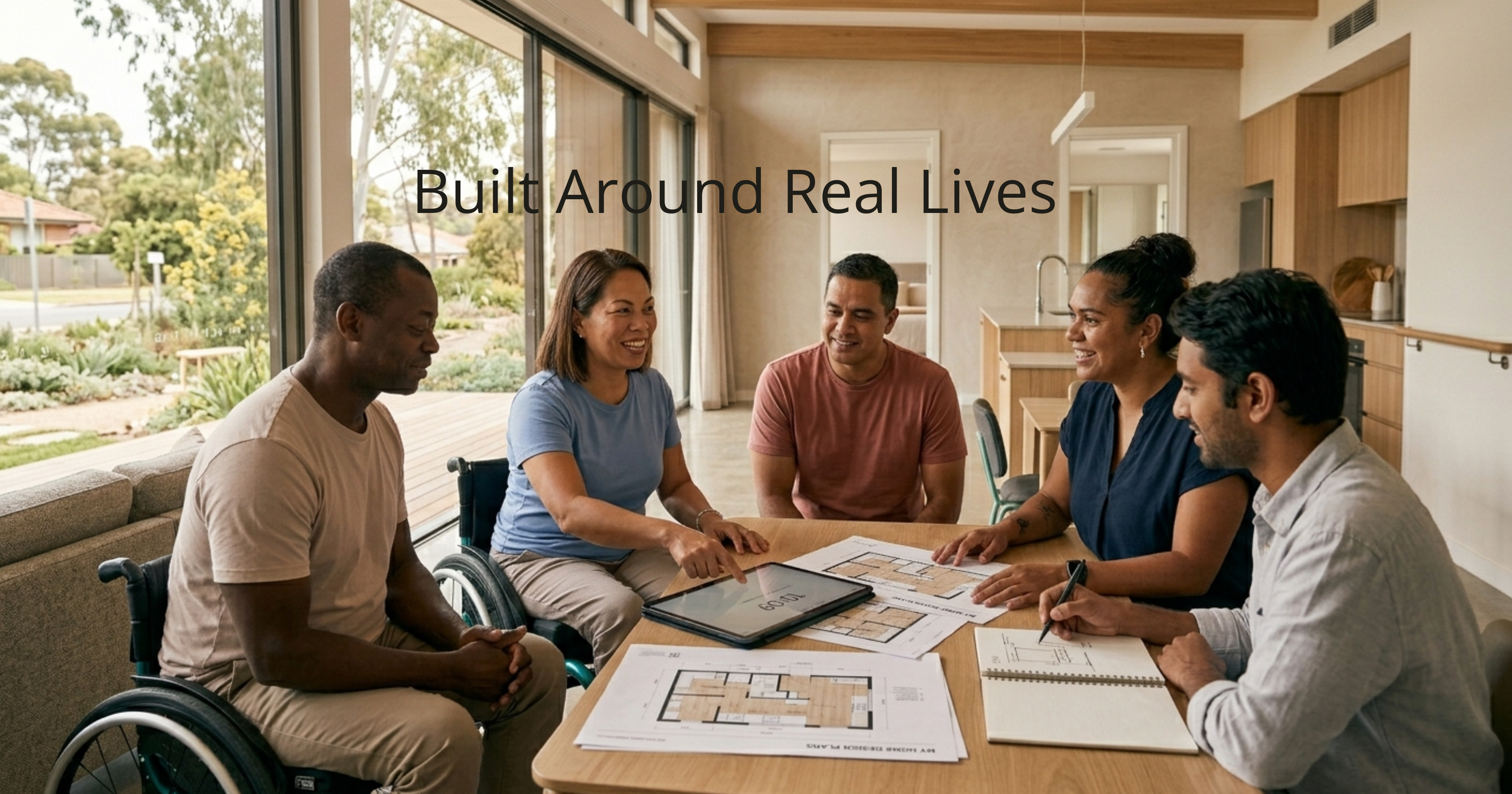
SDA Design Standard Review Update: What It Means for Participants, Providers & the Future of Accessible Living
What is the SDA Design Standard review?
The SDA Design Standard review is an independent assessment led by the NDIA and KPMG Australia to improve disability housing design. It aims to enhance accessibility, liveability, and consistency across Specialist Disability Accommodation, guided by stakeholder feedback and expert working groups.
Individual Rights & Your Obligations Under the NDIS Code of Conduct
What are individual rights under the NDIS Code of Conduct?
Individual rights under the NDIS Code of Conduct ensure that participants have choice and control over their supports, are supported to make informed decisions, and can safely raise concerns or complaints. Providers must respect these rights, actively support participant independence, and ensure all workers comply with NDIS standards.
🧠 What Does a Local Area Coordinator (LAC) Do in the NDIS?
A Local Area Coordinator (LAC) helps people with disability understand and access the NDIS, build independence, and connect with local supports. They assist with planning, implementing NDIS plans, and linking participants to community services.
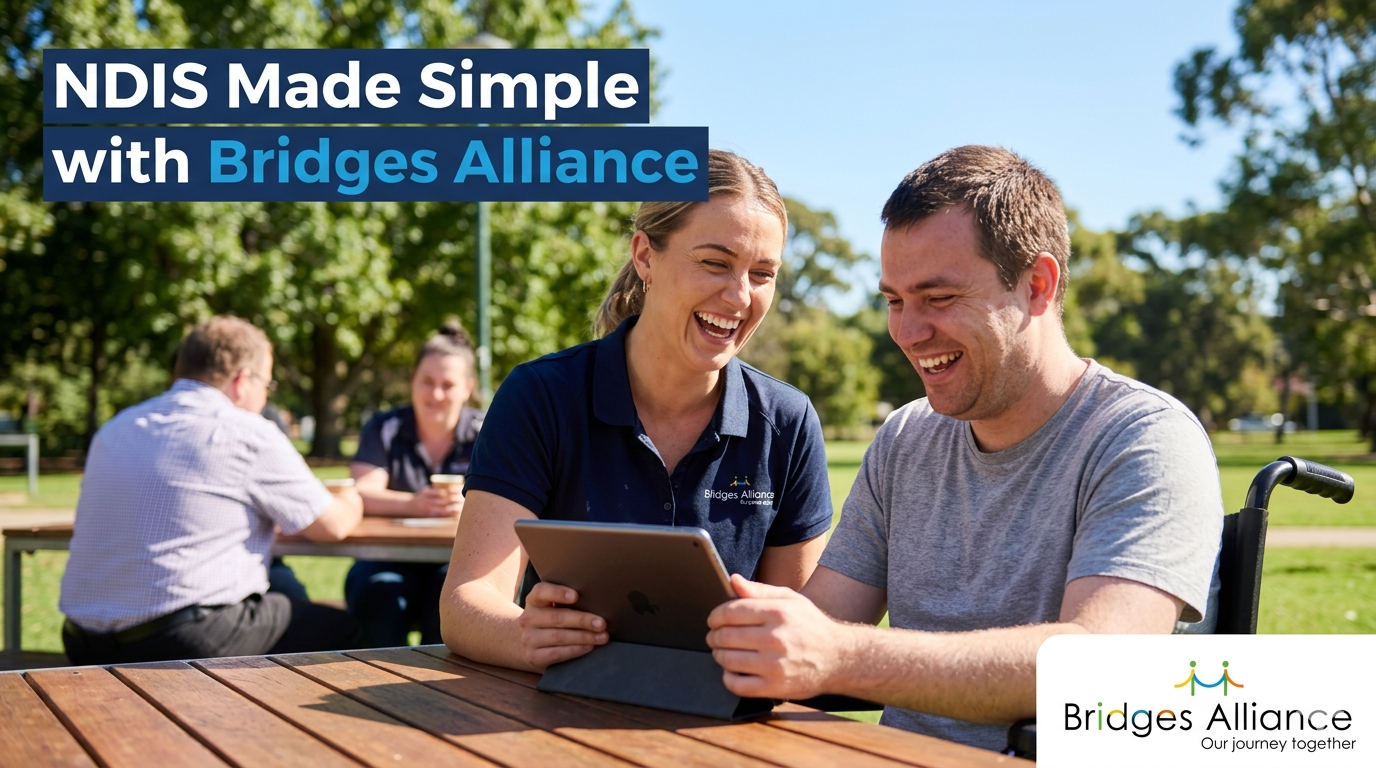
My NDIS Portal (myplace): Simple Participant Guide for 2026
The my NDIS portal (myplace) helps participants manage their plans, track budgets, and connect with providers. This 2026 guide from Bridges Alliance explains everything in plain English so you can stay in control of your supports.
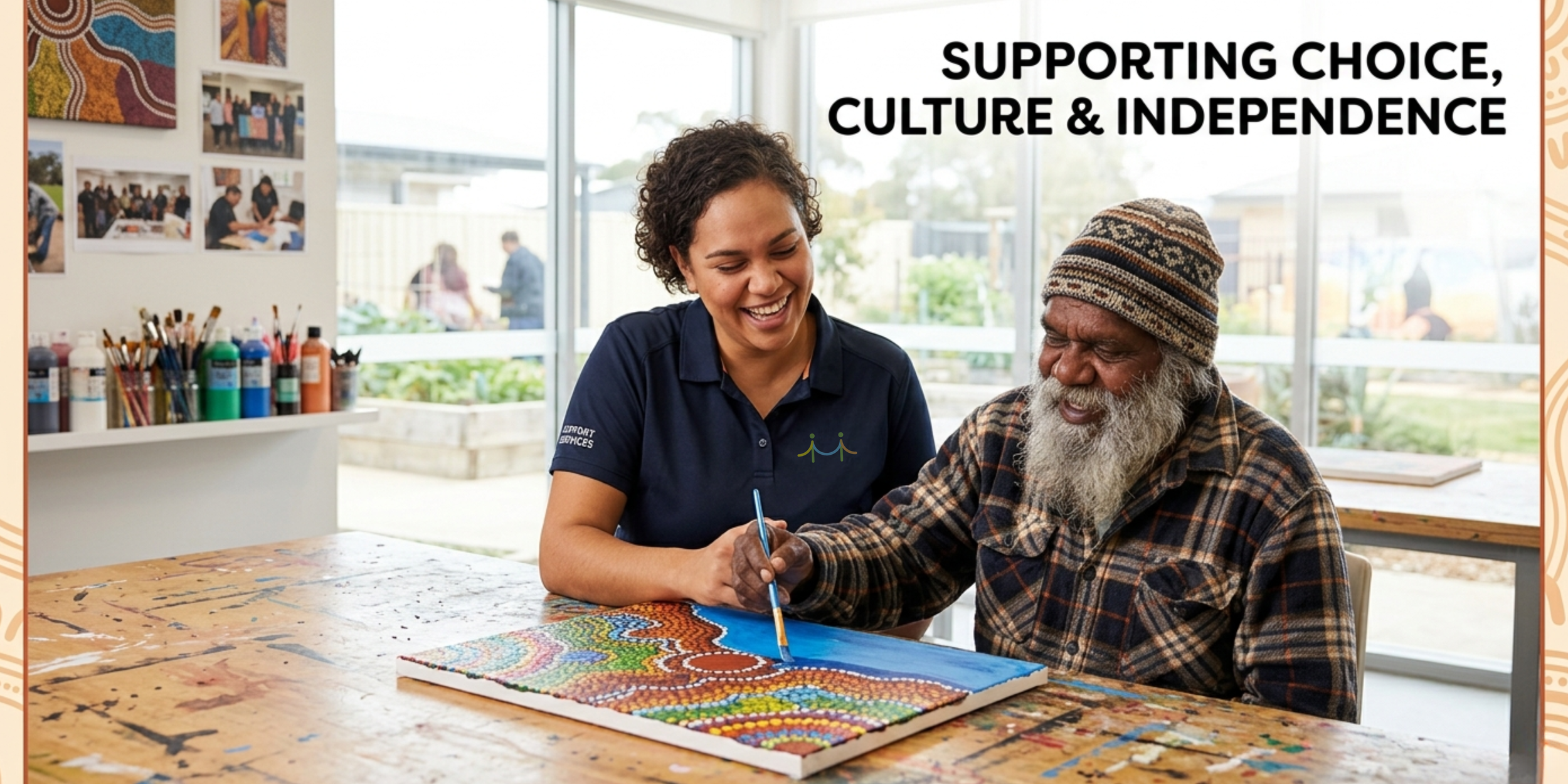
Closing the Gap: What It Means for First Nations People and the NDIS
Four priority areas for action
The strategy focuses on four key areas:
1. Fair and equitable access
Making it easier for First Nations people to access the NDIS and receive the supports they need in a culturally safe way.
2. Shared decision-making (‘our way’)
Ensuring First Nations people have a stronger voice in how the NDIS is designed and delivered.
3. Better connections across services
Improving how different systems work together so participants experience smoother, more coordinated support.
4. Learning and improving over time
Tracking outcomes, listening to feedback, and continuing to improve the NDIS based on what works.
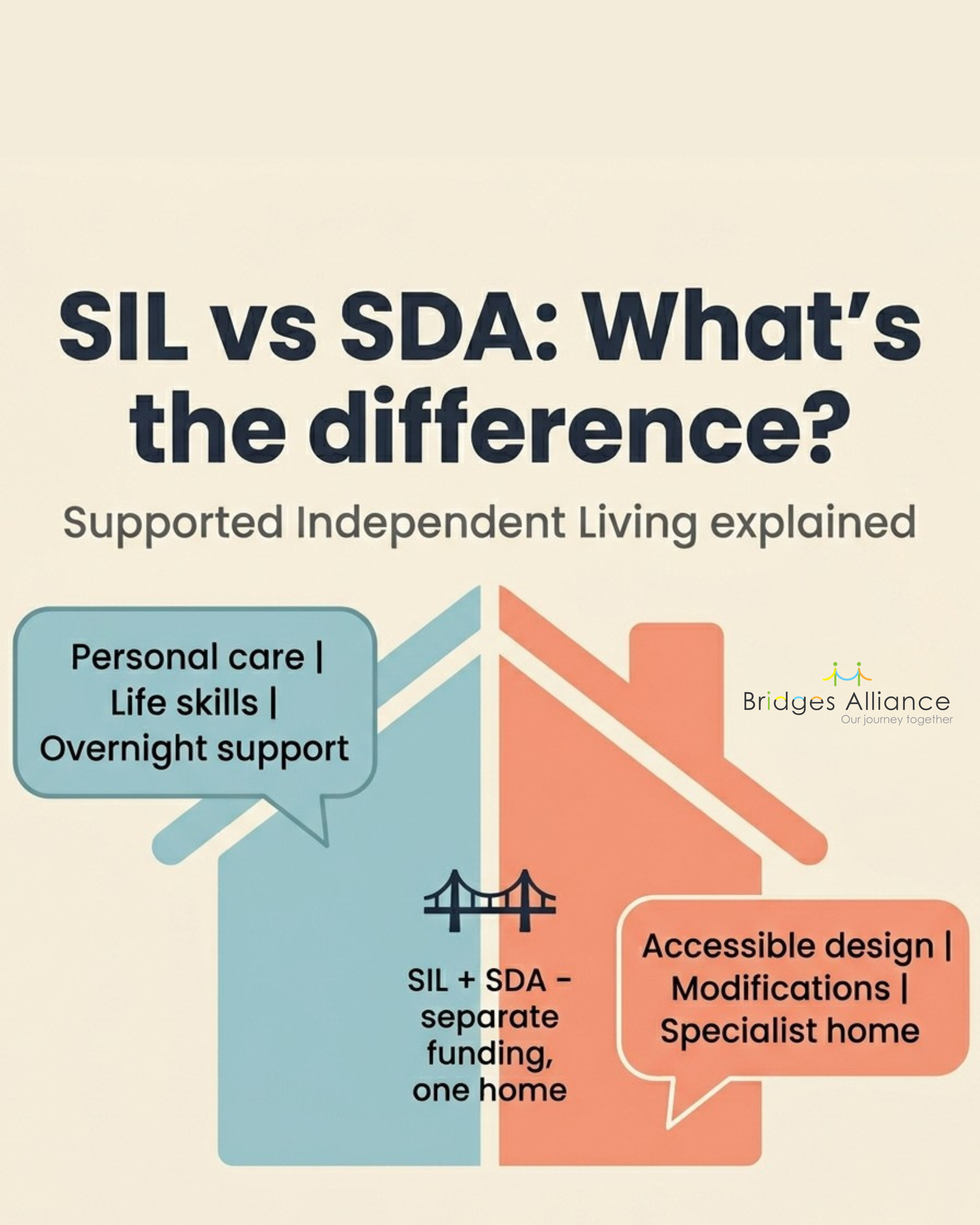
How Does SIL Funding Work? A Clear Guide to Supported Independent Living
Common Myths About SIL
Myth 1: SIL pays for the house.
Fact: SIL pays for supports. The property itself is funded separately (e.g., through SDA, private rental, or home ownership).
Myth 2: You can’t have SIL if you don’t have SDA.
Fact: SIL can be delivered in any suitable home—public housing, private rental, family home, or SDA.
Myth 3: SIL means you lose control over your life.
Fact: SIL is designed to increase independence. A good provider works with you, not over you, building skills and confidence.
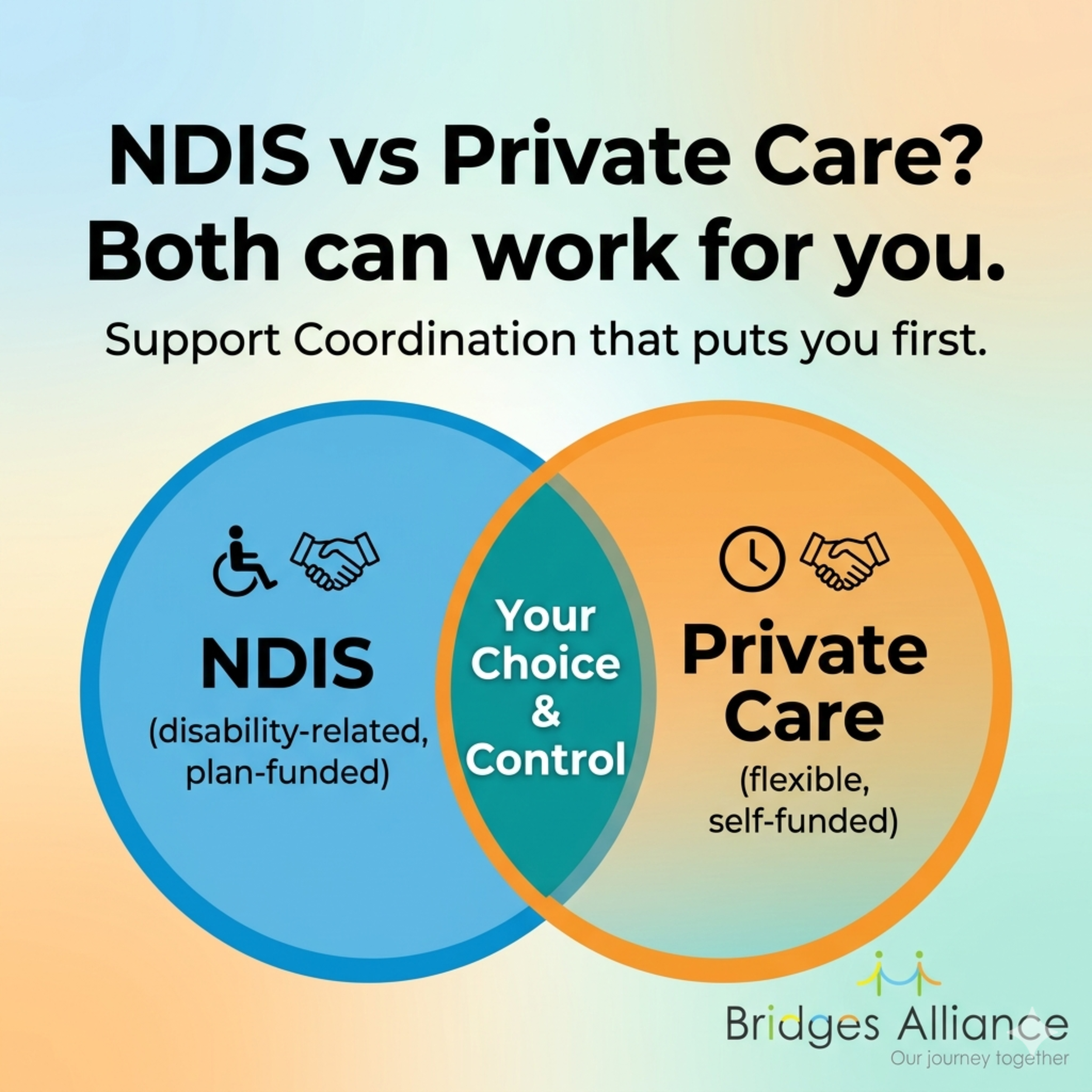
NDIS vs private care – do you have to choose?
How can Bridges Alliance help me navigate NDIS and private care options?
Bridges Alliance Support Coordinators work with you to understand your NDIS budget, identify where NDIS funding applies, and explore private options where they offer better flexibility or fill gaps. We ensure your choices are informed, compliant, and aligned with your goals.
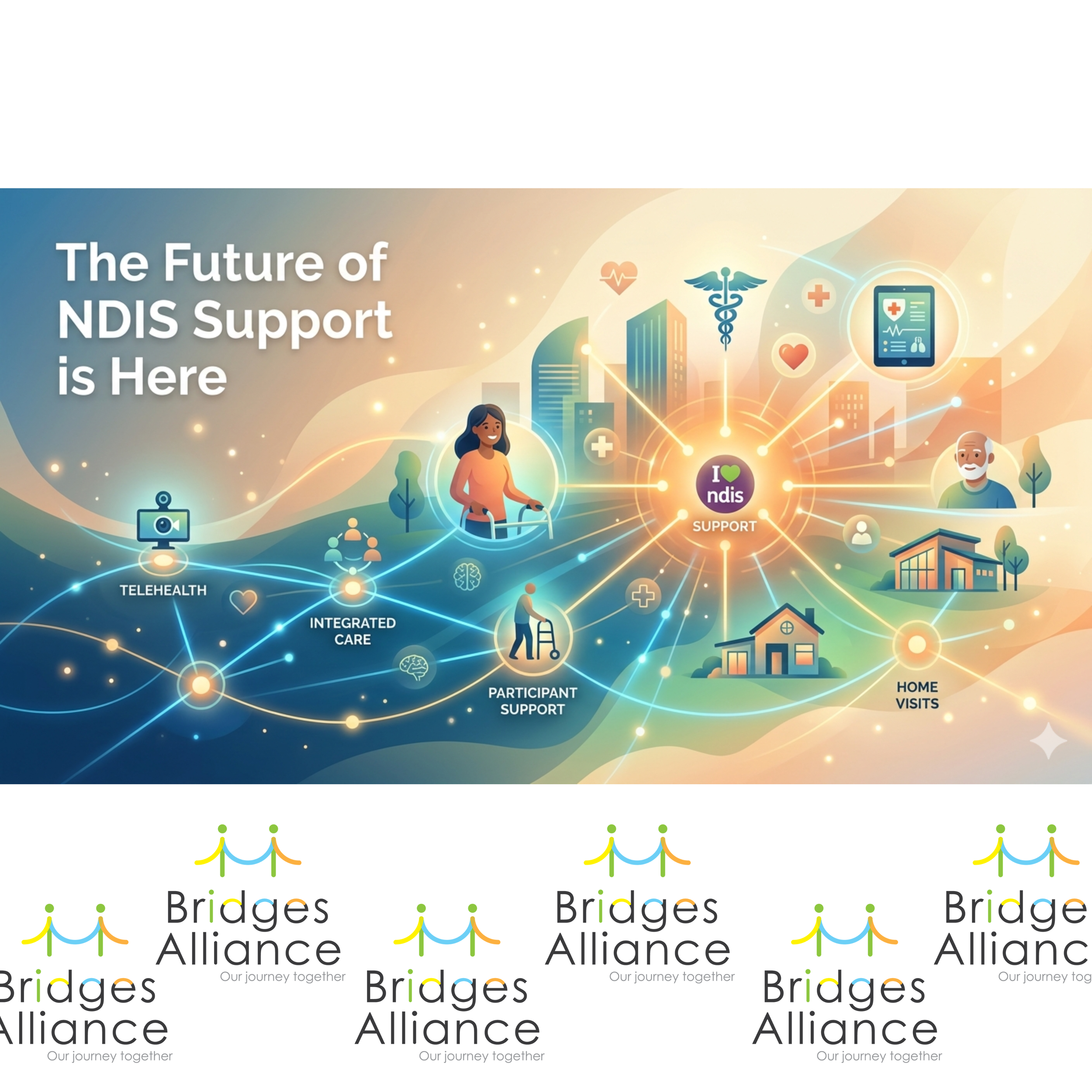
Bridging Access. Empowering Independence.How Bridges Alliance and NEOstream are redefining support in the NDIS space
FAQ SECTION
What is NEOstream in the NDIS context?
NEOstream is a physiotherapy provider delivering telehealth and mobile services that align with NDIS capacity building supports.
How does Bridges Alliance support NDIS participants?
Bridges Alliance provides tailored, participant-centred supports that align with individual NDIS plans, promoting independence and goal achievement.
Can physiotherapy be delivered via telehealth under the NDIS?
Yes, telehealth physiotherapy is an accepted service delivery model when it is reasonable, necessary, and aligned with participant goals.
What are the benefits of mobile physiotherapy?
Mobile physiotherapy allows participants to receive supports in their home or community, improving accessibility and comfort.
How does this partnership benefit participants?
It increases flexibility, improves access to therapy, and supports better long-term outcomes through consistent and personalised care.
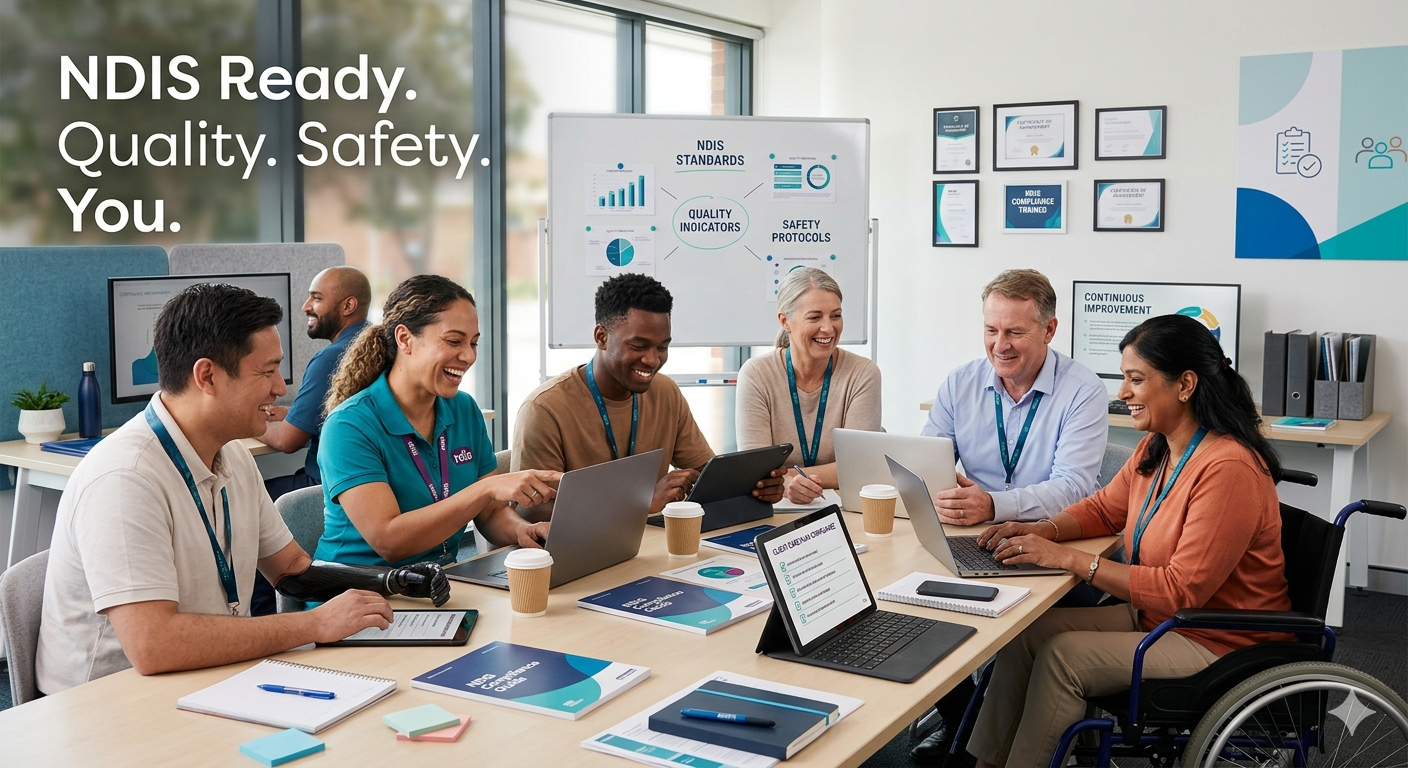
Building Safer, Stronger Supports: Why the NDIS Worker Orientation Module Matters — and How Bridges Alliance Leads the Way
Starting Your NDIS Journey the Right Way
Whether you are entering the sector for the first time or continuing your professional journey, completing the NDIS Worker Orientation Module is an important step.
It signals a shared commitment—to quality, to safety, and most importantly, to the people at the heart of the NDIS.
And with providers like Bridges Alliance leading by example, participants and families can feel confident they are supported by workers who understand what truly matters.

Sam’s Story: Building Independence, One Day at a Time
What stands out most about Sam is not a single milestone, but the consistency of his progress. From preparing for his day, attending appointments, going for walks, helping around the home, or simply choosing how to spend his time—Sam is actively shaping his life.

🧠 The core issue: a $50B system stuck between two worlds
Australia’s $50 billion NDIS is facing a growing divide between the health and disability sectors. Discover how cost-shifting, hospital delays, and funding disputes are impacting participants, providers, and outcomes across the system.
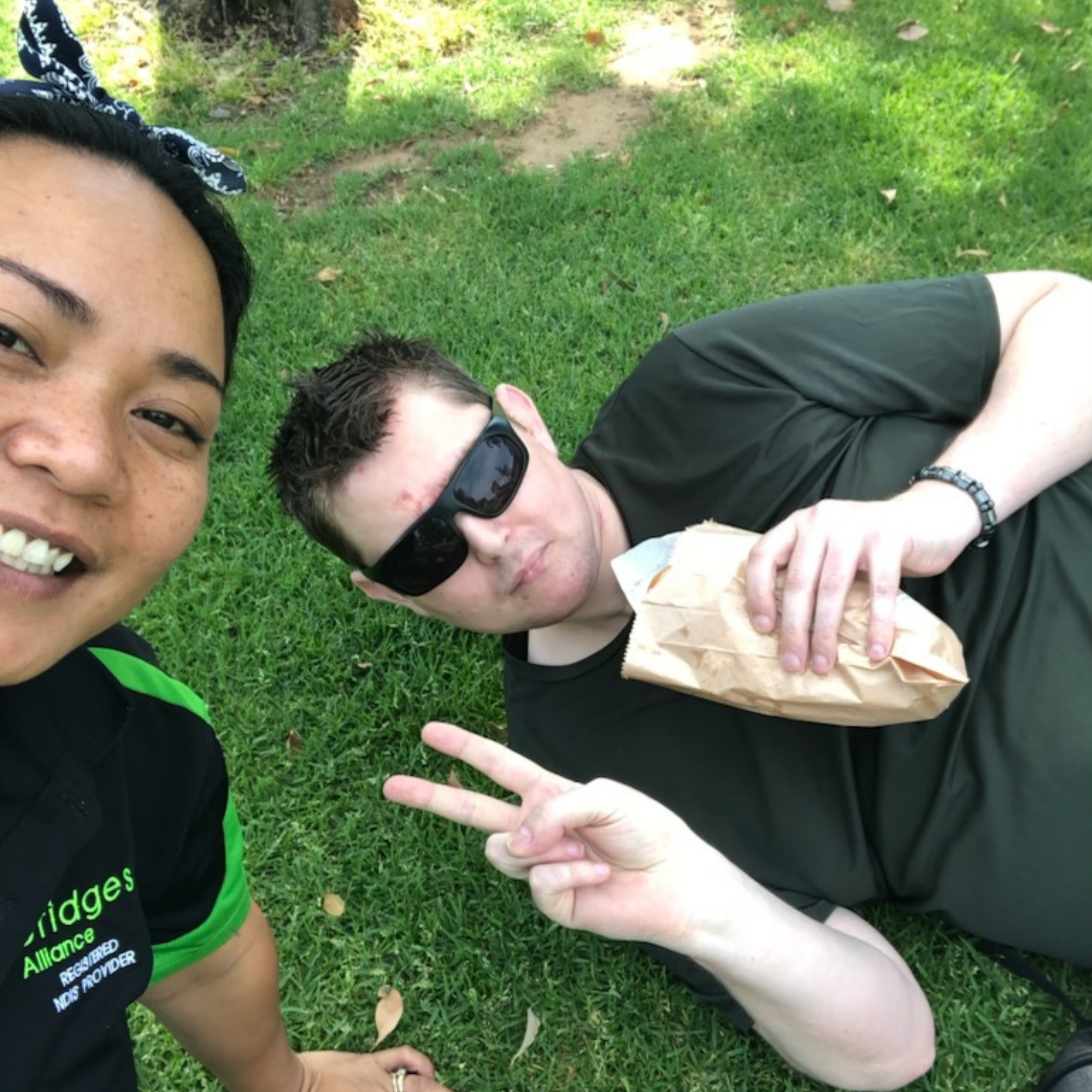
From Respite to Renewal: Joshua’s Journey Toward Confidence, Connection, and Choice
Joshua, a 36-year-old NDIS participant, has significantly improved his independence, confidence, and quality of life through tailored supports including respite, community access, and support coordination with Bridges Alliance. His journey highlights how consistent, person-centred supports can empower individuals to build life skills, engage in the community, and achieve meaningful outcomes under the National Disability Insurance Scheme.
We’re Not For Everyone — And That’s The Point
The Line in the Sand
We’re not here to be chosen by everyone.
We’re here to be chosen by the right ones—
the ones who value what this actually takes.
Because the strongest connections aren’t built on agreement.
They’re built on recognition.

Things People Don’t Say About the NDIS… But Feel Every Day
What should I do if I feel stuck or overwhelmed?
Start simple:
Write down what’s confusing
Talk to someone you trust
Reach out to a provider who will actually listen
You don’t have to figure it all out alone.
NDIS Quality Supports Program: What It Means for You
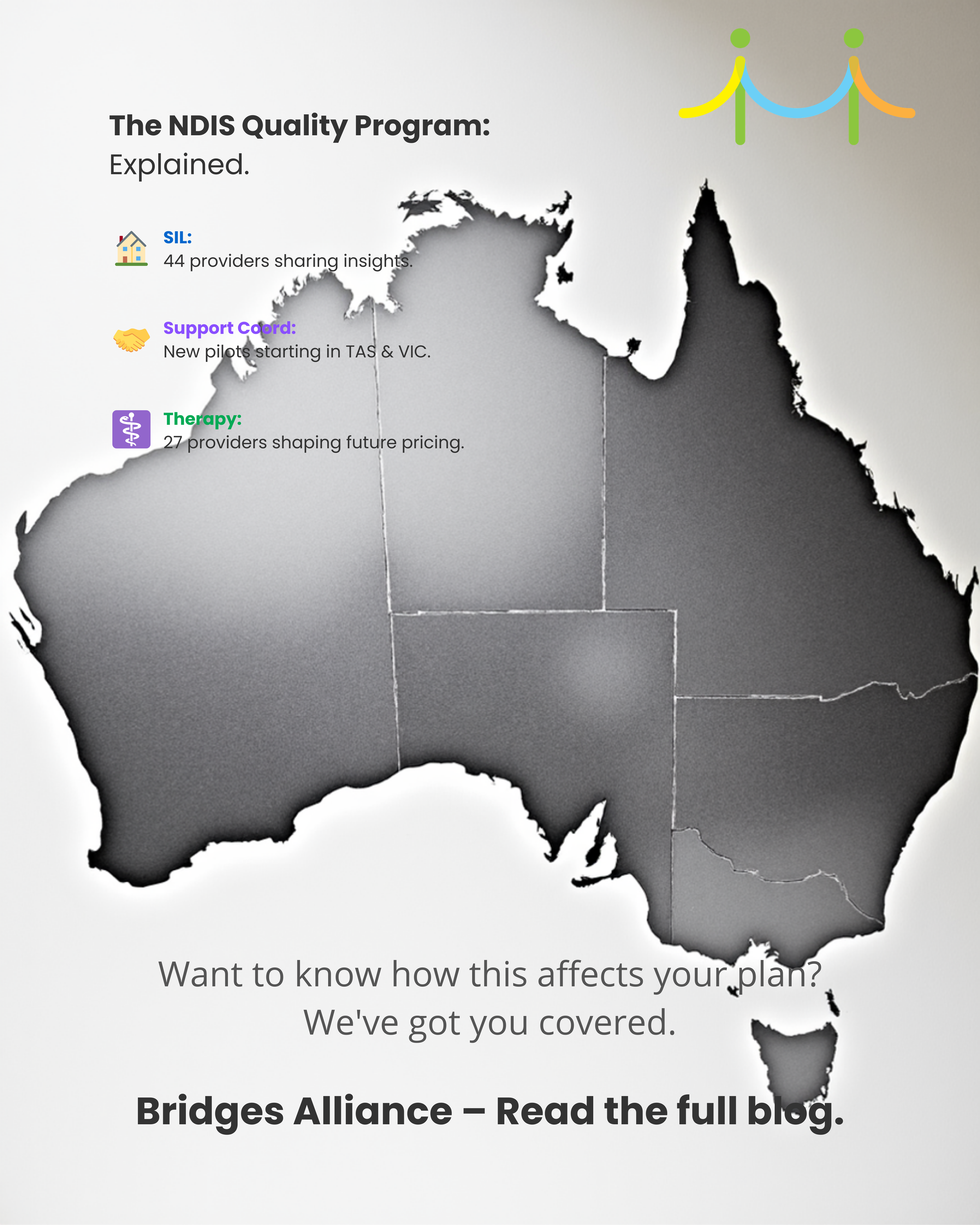
Page Summary:
The NDIA’s $45 million Quality Supports Program is underway, running three key pilots for Supported Independent Living (SIL), Therapy, and Support Coordination. This blog from Bridges Alliance breaks down the official NDIS information into plain, easy-to-understand English. Learn about the 44 SIL providers, 27 Therapy providers, and the Support Coordination pilots in Tasmania and Victoria, and discover how these trials will shape future NDIS pricing and quality standards . Bridges Alliance, a registered NDIS provider in NSW, explains what these changes mean for participants and families .