

Delay to the New Way of NDIS Planning: What It Means for Participants and Why Getting It Right Matters
The delay to the new NDIS planning rollout until 2027 gives participants, families, and providers more time for consultation, refinement, and improved outcomes. Here’s what it means for the disability community.
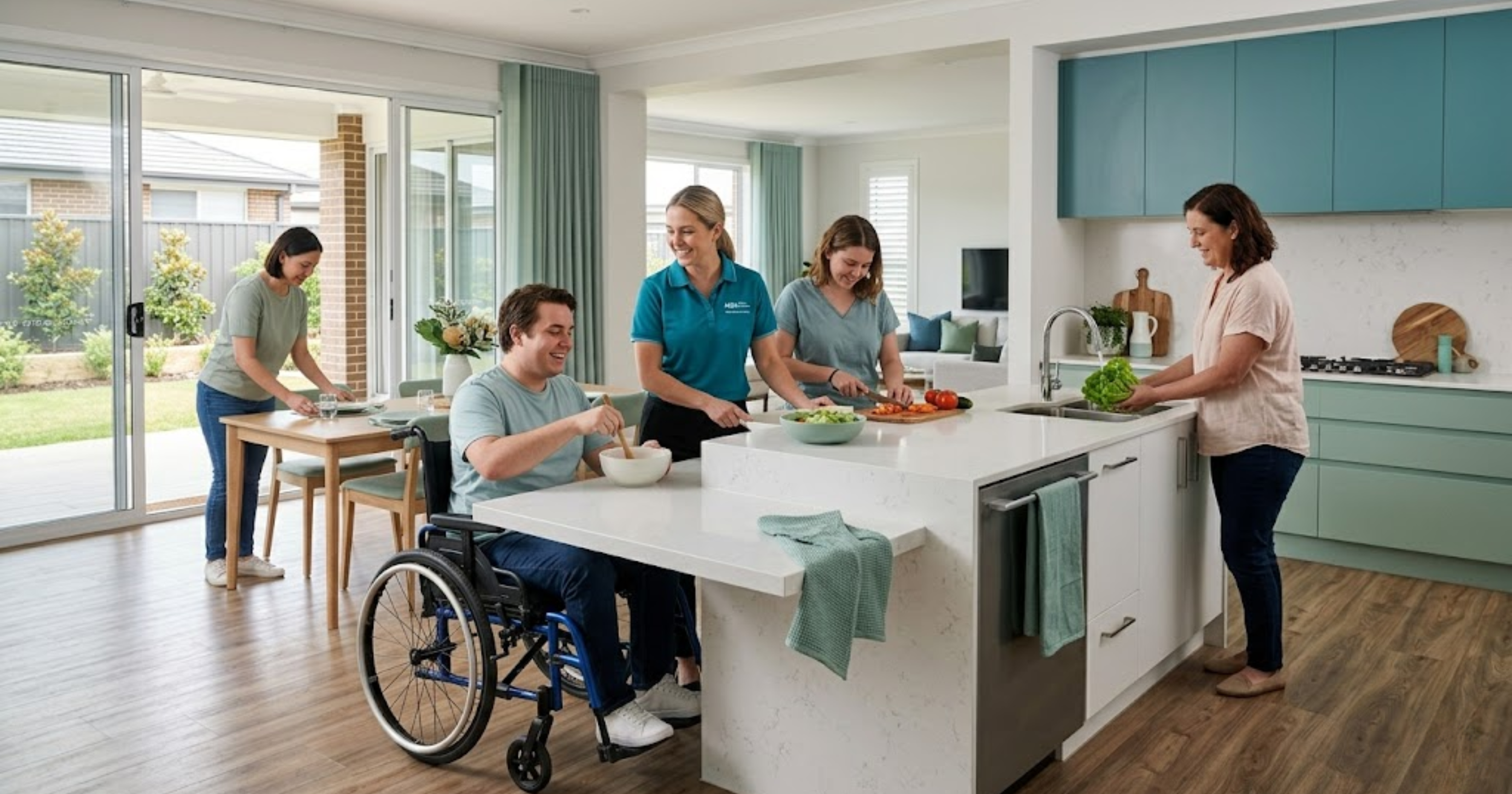
What is Supported Independent Living (SIL)? A Complete Guide for NDIS Participants and Families
Thinking about Supported Independent Living (SIL) but not sure where to start?
Our comprehensive guide explains:
✅ What SIL is
✅ Who may be eligible
✅ SIL vs SDA
✅ SIL vs ILO
✅ How funding works
✅ Common myths and misconceptions
Discover how the right supports can help build independence, confidence and community connection.
Real Outcomes, Real Progress: What Recent NDIS Data Tells Us About Participant Growth
Recent NDIS outcome data continues to highlight meaningful progress for participants, families, and carers across Australia. From increased choice and control to improvements in daily living skills and early childhood development, these results reinforce the importance of person-centred, consistent support. Discover how Bridges Alliance supports participants to work towards their individual goals through respectful and inclusive care.

Understanding NDIS Funding Management: What It Means for Your Choice and Control
Why Provider Choice Matters
One of the biggest practical differences between funding management types is the range of providers available to you.
Participants who are self-managed or plan-managed often have broader access to different support options, including smaller providers and independent workers who may offer more personalised or flexible services.
At Bridges Alliance, we understand that every participant’s journey is different. Our team works alongside participants, families, and support networks to help create support arrangements that align with individual goals, preferences, and lifestyles.
Whether you are new to the NDIS or reviewing your current supports, understanding how your funding is managed can help you make more informed decisions about the services and providers that best meet your needs.
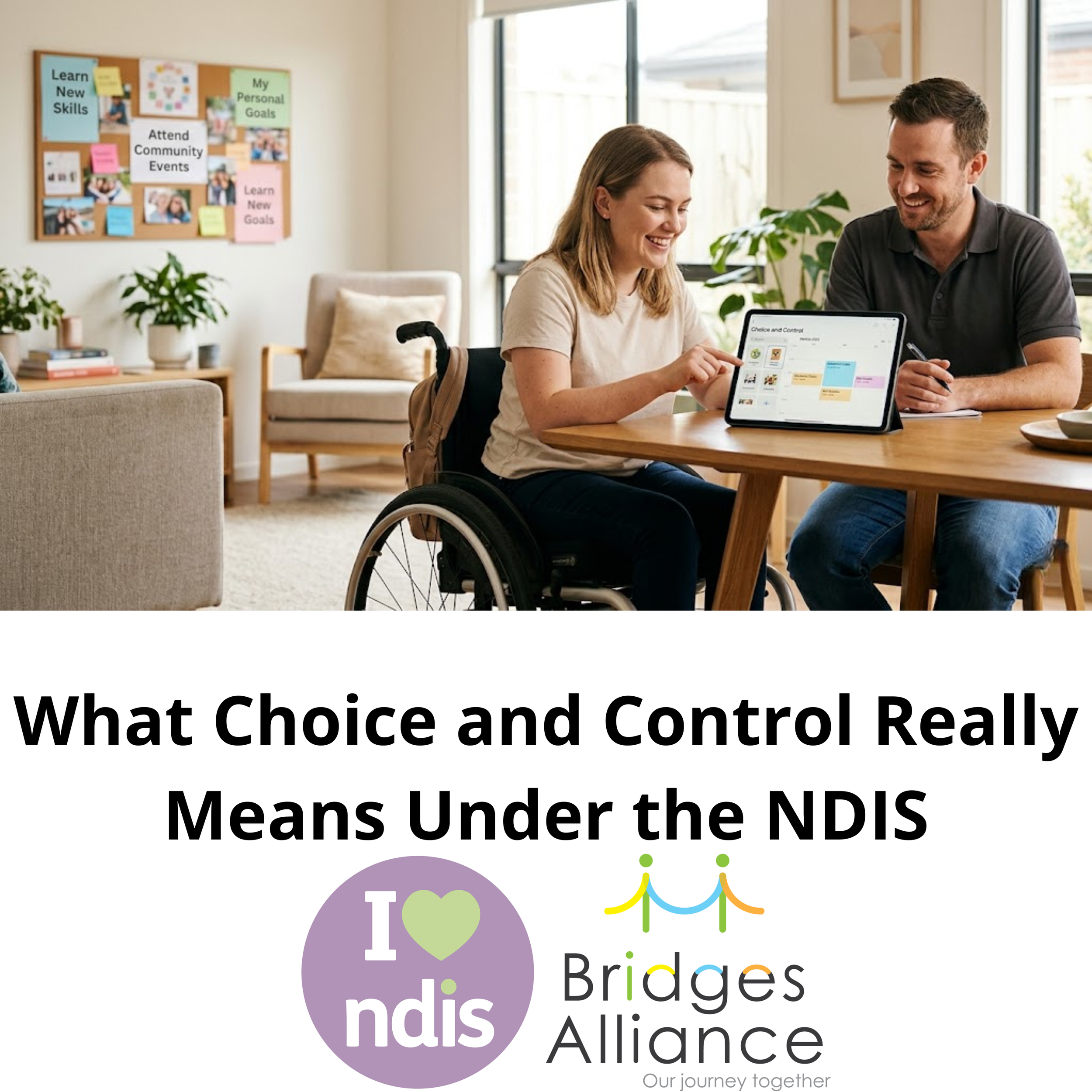
What Choice and Control Really Means Under the NDIS
How Participants Can Exercise Greater Choice and Control
A good starting point is understanding how your NDIS funding works and what supports are available within your plan.
Participants may wish to:
Ask questions about how supports are delivered
Explore different providers and service models
Discuss goals openly and honestly
Review whether supports are helping achieve positive outcomes
Speak up if something does not feel right
Participants also have the right to change providers if their current supports are no longer meeting their needs.
The most effective support relationships are built on trust, consistency, communication, and genuine collaboration.

Seven homes across South West Sydney, and every single one is maintained above what the NDIS requires.
At Bridges Alliance, we believe that supported accommodation should actually look and feel like a home. Not a facility. Not a compromise. A place where someone can walk through the door and feel like they belong.
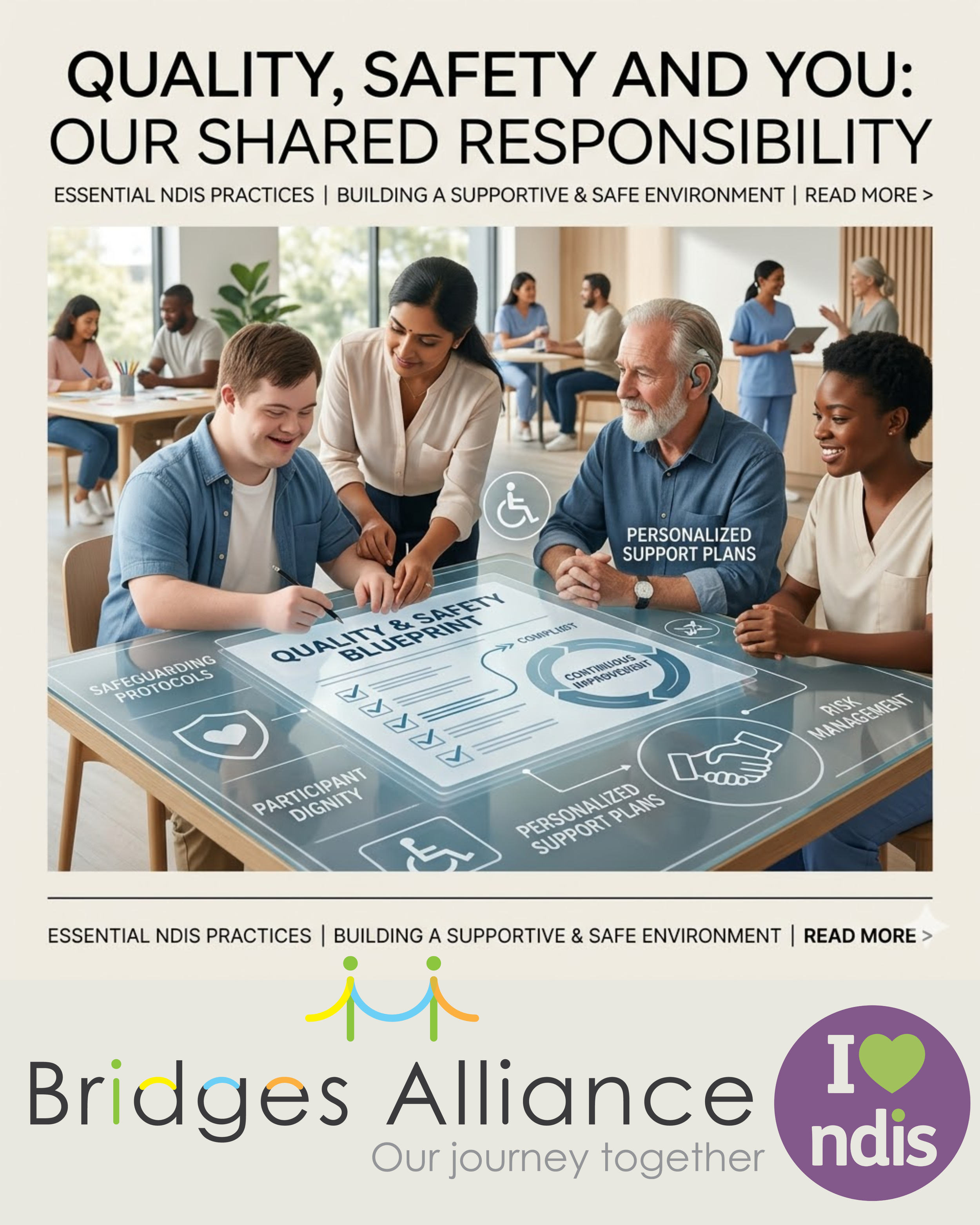
Understanding the NDIS Induction Module: Building Safer, Stronger Disability Supports
How Bridges Alliance Supports Quality Care
At Bridges Alliance, we understand that great disability support begins with strong foundations.
Our commitment to participant wellbeing includes:
Skilled and compassionate support teams
Ongoing staff development and education
Person-centred support delivery
Respectful and culturally aware care
Safe and supportive SIL environments
Professional coordination and communication
Whether participants are seeking Supported Independent Living (SIL), support coordination, community access, or tailored daily living assistance, Bridges Alliance is committed to delivering supports that promote independence, dignity, and quality of life.

Understanding the Role of the NSW Trustee and Guardian for NDIS Participants
Navigating the NDIS can sometimes involve more than supports and funding. This insightful guide explains the role of the NSW Trustee and Guardian, how it assists NDIS participants with financial and legal matters, and why person-centred support from Bridges Alliance helps participants thrive with dignity, independence, and confidence.

Working Effectively with NDIS Providers: A Practical Guide for Participants
Working effectively with NDIS providers is key to achieving your goals. Learn how to choose the right supports, understand service agreements, and confidently manage your NDIS journey with guidance from Bridges Alliance.

Understanding NDIS Funding Periods: A Practical Guide for Participants, Families & Providers
NDIS funding periods determine when and how your plan budget is available. Understanding them helps you avoid overspending, stay compliant, and maximise your supports.
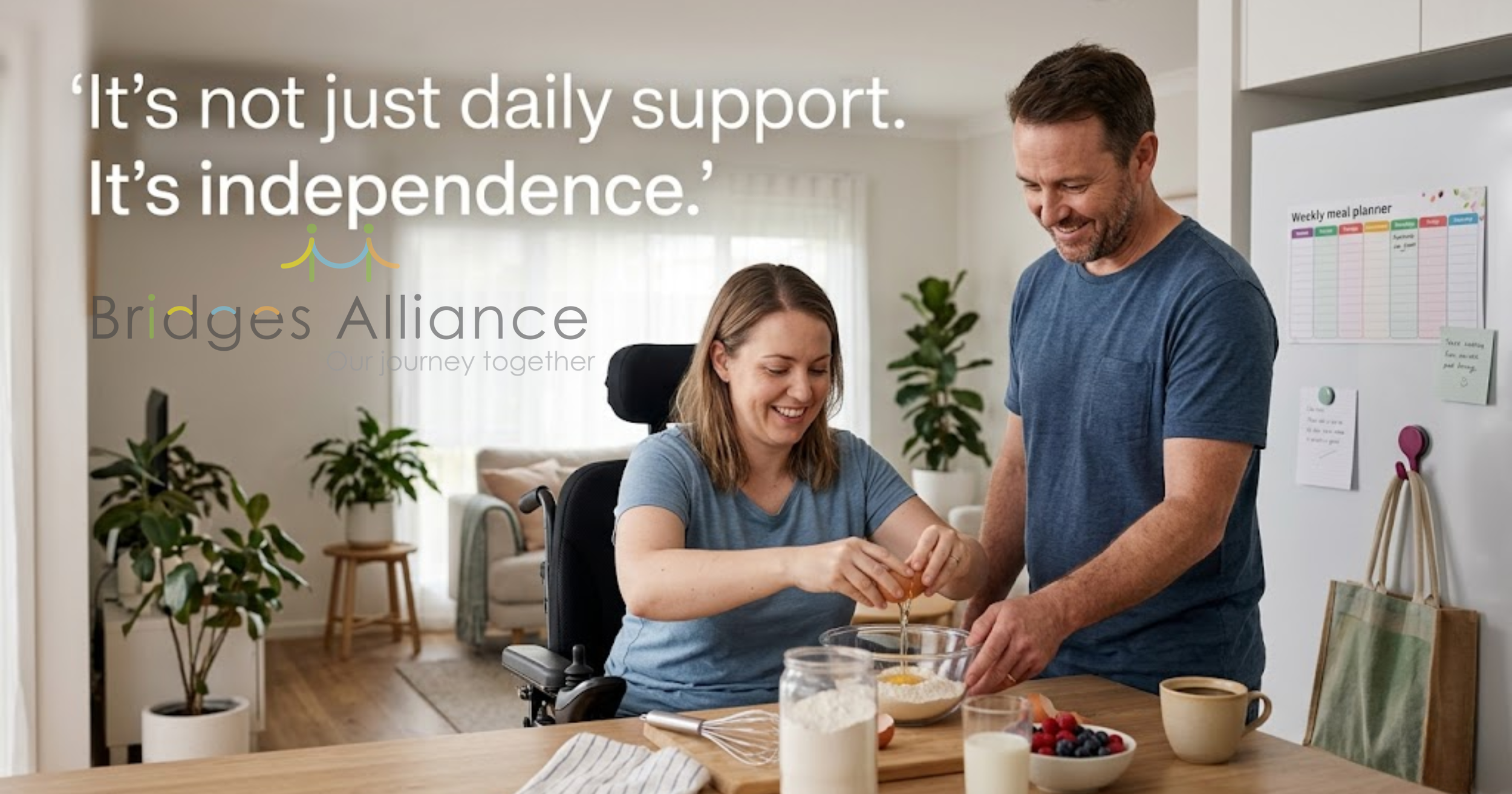
🧠 The Quiet Power of “Assistance with Daily Life” — And Why It’s More Than Just Support
NDIS Assistance with Daily Life is a Core Support category that funds help with everyday personal tasks such as personal care, meal preparation, and household activities. Its goal is to help participants live as independently as possible while improving quality of life.
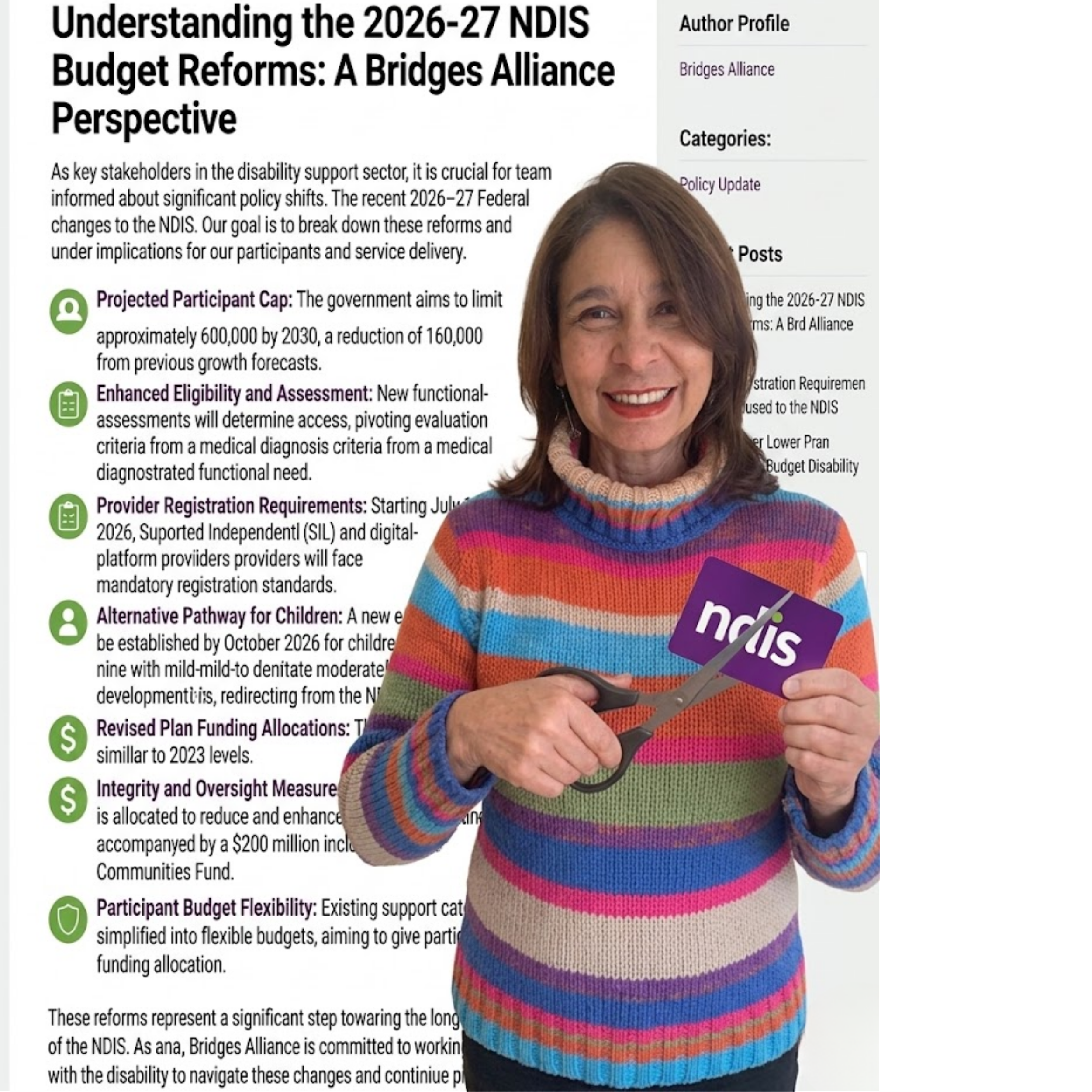
Navigating the 2026-27 NDIS Budget Reforms: A Bridges Alliance Perspective
At Bridges Alliance, we believe that staying informed is the first step to staying empowered. Our latest blog post breaks down these reforms into clear, manageable insights so you know exactly what to expect for your support journey.
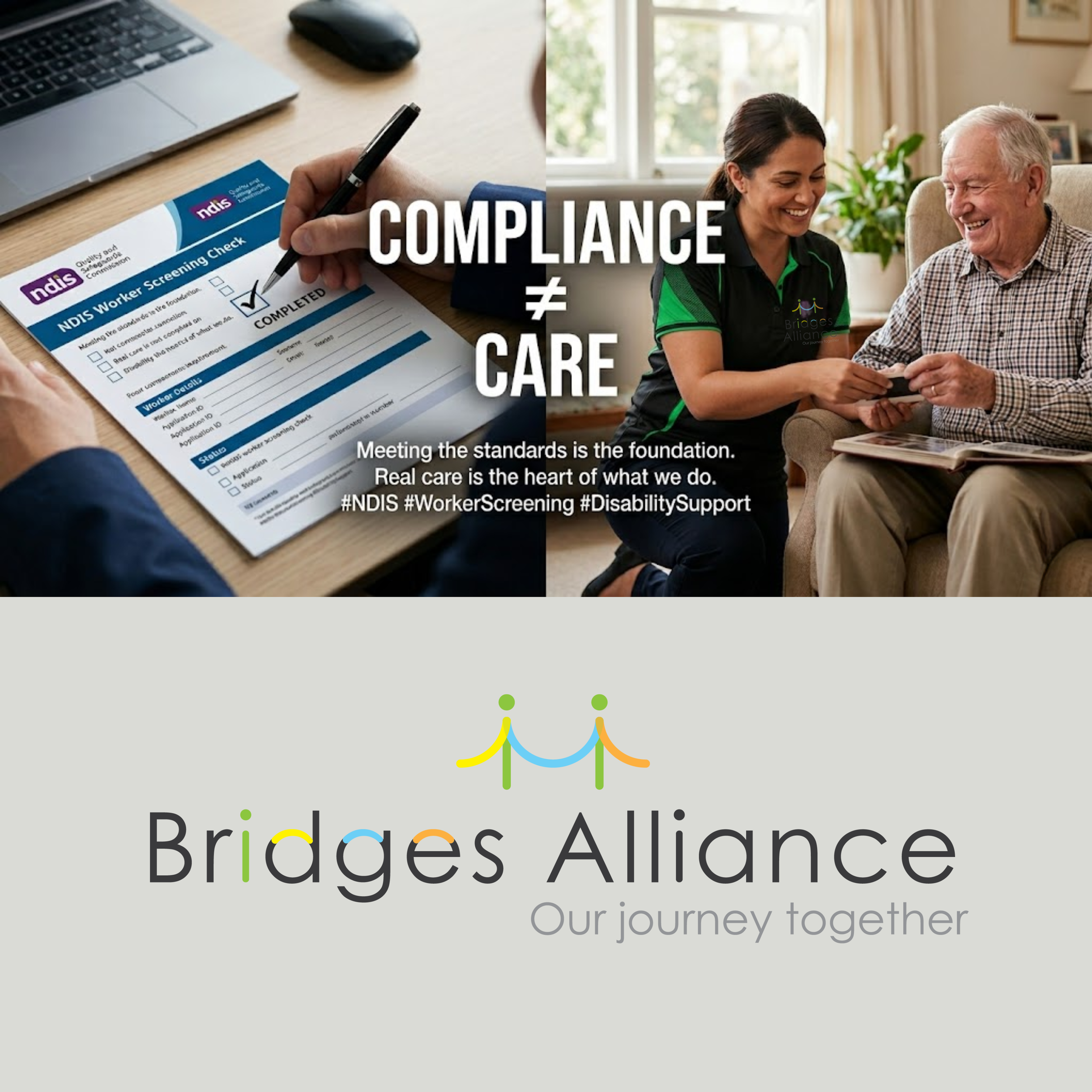
NDIS Worker Screening Check Explained: Is It Enough for Participant Safety?
The NDIS Worker Screening Check ensures support workers meet minimum safety standards, but it does not assess skills, empathy, or quality of care. It is a baseline safeguard—not a guarantee of high-quality support. Participants should consider experience, values, and provider culture when making informed choices.

Why Visiting a Disability Expo Could Be the Most Valuable Step in Your NDIS Journey
A disability expo is an event where NDIS participants, families, and carers can meet support providers, explore services, and gain a better understanding of their options. Attending an expo helps individuals compare providers, discover new supports, and build confidence in using their NDIS plan through direct, face-to-face conversations.
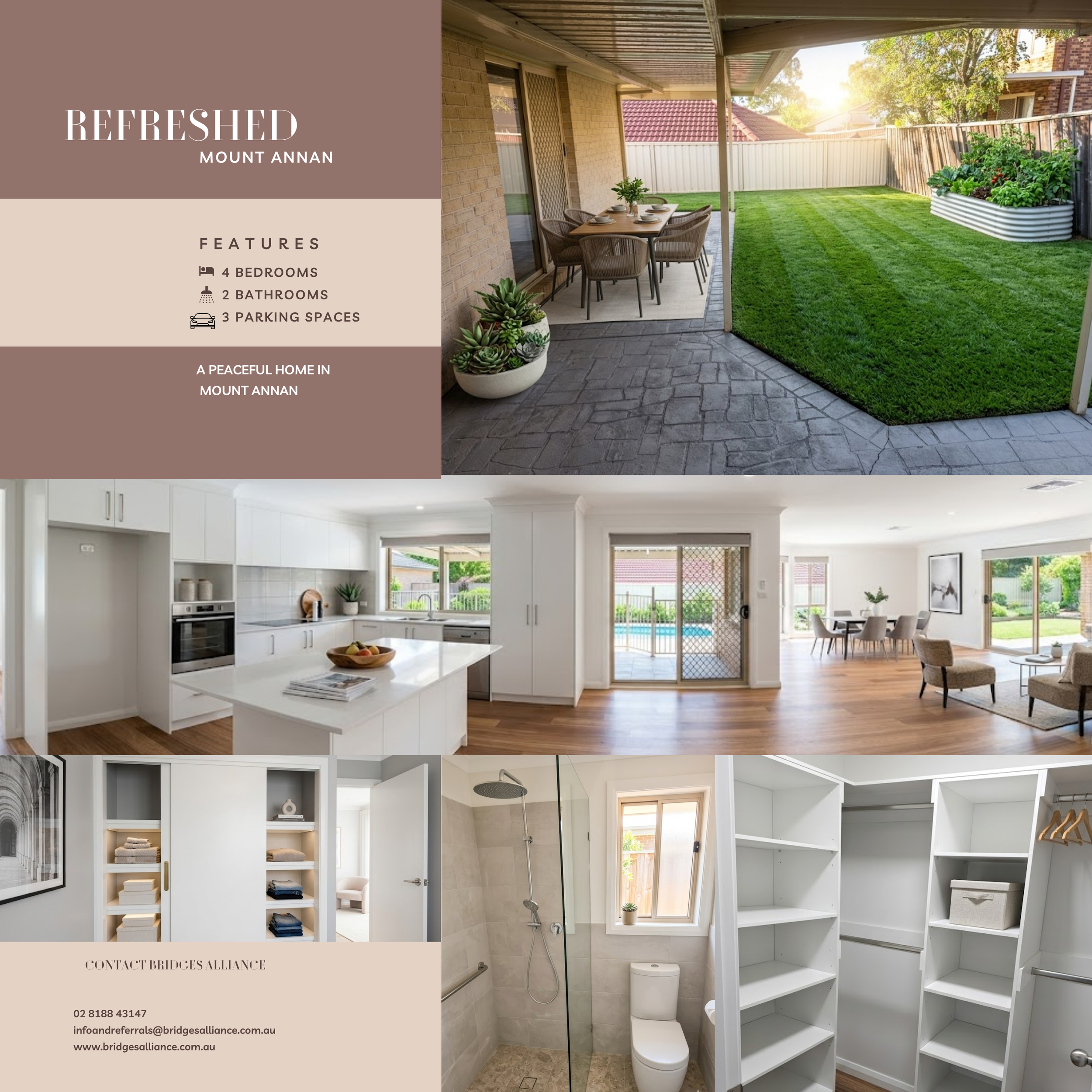
A Fresh Chapter Begins in Mount Annan with Bridges Alliance
Bridges Alliance’s newly renovated Mount Annan SIL home offers modern comfort, peaceful surroundings, and personalised NDIS support designed to help participants live independently and confidently in a welcoming community environment.
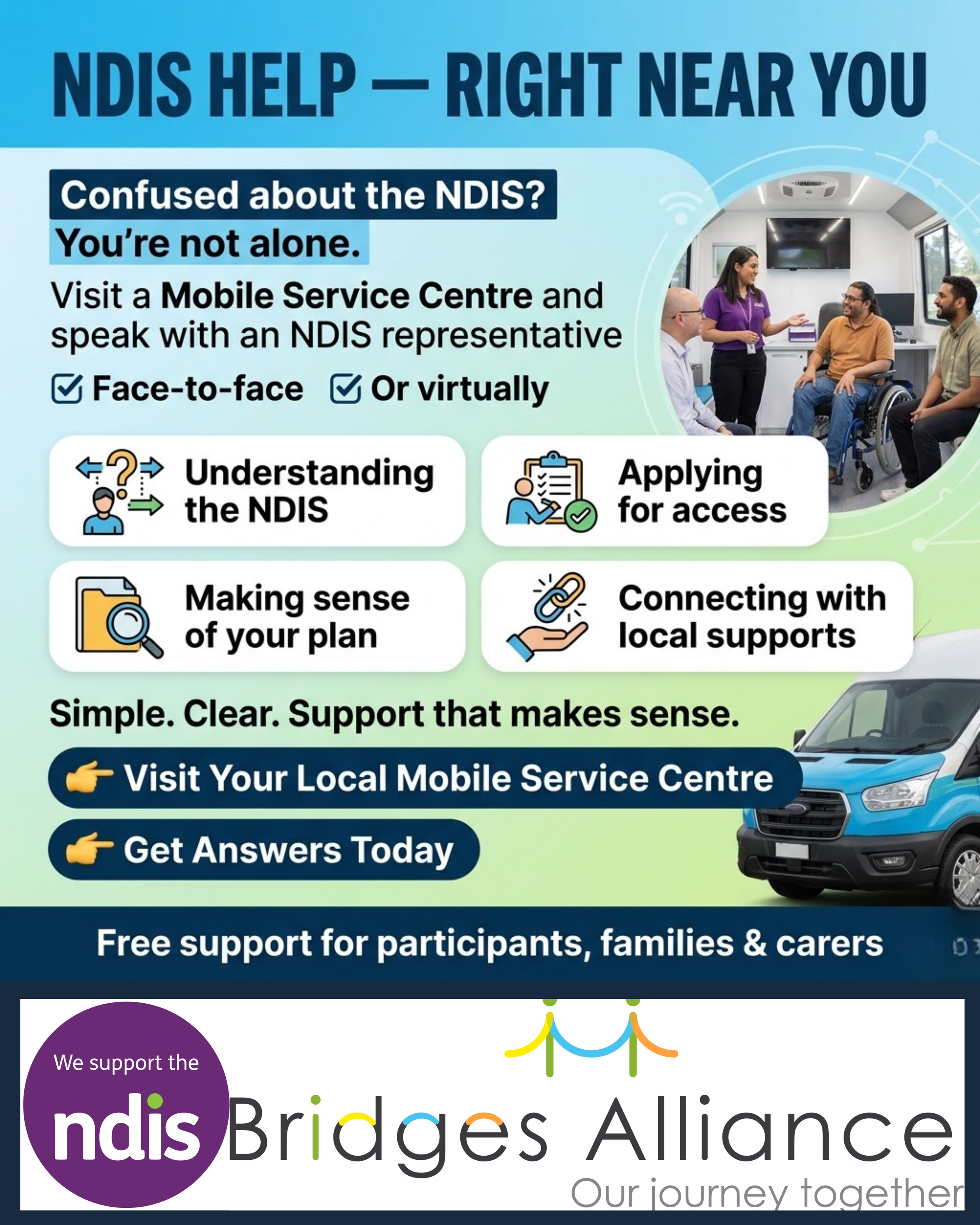
Why Accessing the NDIS Shouldn’t Feel Complicated
A Mobile Service Centre is a travelling support hub where you can connect with NDIS representatives face-to-face or virtually. You can get help understanding the NDIS, applying for access, managing your approved plan, and connecting with local supports like Local Area Coordinators and Early Childhood Partners. These centres make it easier for participants, families, and carers to access clear, reliable NDIS guidance in their community.
The Hidden Cost of ‘Cheap’ NDIS Providers
Questions to Ask Before Choosing a Provider
Instead of focusing only on price, it can help to ask:
• How do you ensure consistency in support staff?
• What is your approach to building participant independence?
• How do you communicate with families and coordinators?
• What does a typical day of support look like?
• How do you handle concerns or feedback?
The answers will often reveal far more than pricing alone.
Why ‘Matching’ Matters More Than Qualifications in Disability Support
Why the NDIS Emphasises Choice and Control
The National Disability Insurance Scheme is built on the principle that participants should have choice and control over their supports.
That includes:
• Who provides the support
• How support is delivered
• The ability to change providers if needed
Matching plays a critical role in making that choice meaningful.
Because real choice isn’t just about options—it’s about finding the right fit.

What Happens When an NDIS Provider Lets You Down (And What To Do Next)
What Better Support Should Look Like
When you find the right provider, the difference is clear.
You should expect:
• Consistent and reliable support staff
• A genuine focus on independence and skill-building
• Open, transparent communication
• Flexibility to adapt to changing needs
• A service that feels person-centred—not one-size-fits-all
Support should never feel like it’s just being “delivered.”
It should feel like it’s working with you, not around you.
A Day in SIL Done Right: What Participants Should Expect
Why This Matters
SIL is more than accommodation—it’s someone’s home.
And the quality of support delivered each day directly impacts:
• Confidence
• Independence
• Emotional wellbeing
• Long-term outcomes
That’s why it’s so important to look beyond availability and ask:
“Is this support truly centred around the person?”